
AccessBet Old Mobile Login Guide for Nigerian Users
🎲 Get clear steps on how Nigerian users can access AccessBet's old mobile login platform, fix common issues, and manage accounts securely for smooth betting fun.
Edited By
Claire Ainsworth
Back in the day, AccessBet’s mobile shops were a familiar sight across many Nigerian towns and cities. These outlets served as physical access points where sports enthusiasts placed their bets on football, basketball, and other popular sports events. Unlike today’s digital platforms, bettors had to visit these shops in person, relying heavily on the shop operators for information and bet placement.
AccessBet mobile shops typically operated in busy marketplaces, close to bus stops or motor parks where traffic was heavy. This made it convenient for bettors to drop by while going about their daily routines. The shops themselves often resembled small kiosks with several phones and sometimes a tiny waiting area. Operators used basic mobile devices connected to GPRS or 3G networks to enter betting information into AccessBet’s system.
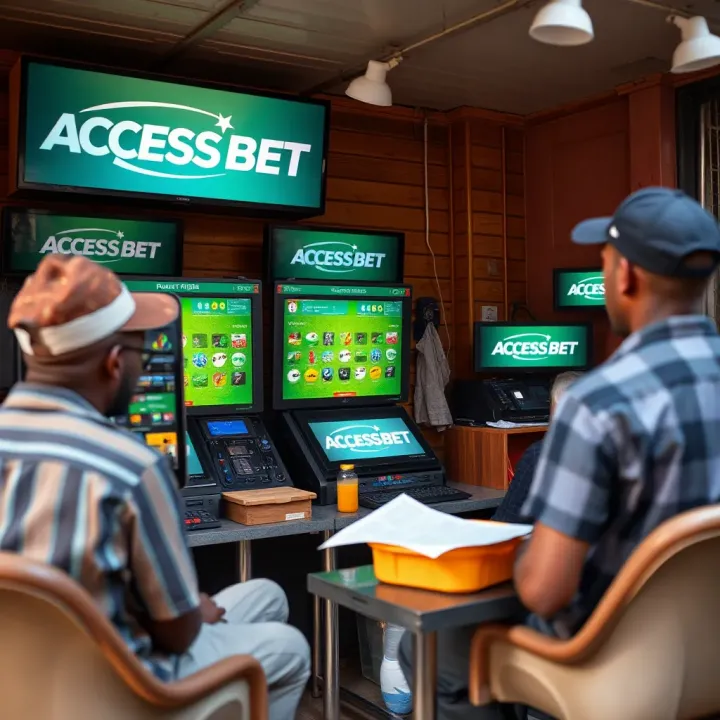
“These mobile shops were lifelines for many Nigerians without smartphones or stable internet, providing a way to join the sports betting craze safely and reliably.”
However, the experience was not without challenges. Bettors faced frustrated waits due to network glitches or long queues. Many had limited access to live scores or betting tips, so decisions were mostly based on hearsay or guesswork. Payment was usually done in cash, which made transactions risky during busy periods or in unsafe neighbourhoods.
The old mobile AccessBet shop setup also endured regulatory pressures. With Nigeria’s evolving laws on betting and gaming, monitoring these physical outlets became difficult for both operators and regulators. Sometimes, shops shut down abruptly due to compliance concerns or police raids.
Despite these drawbacks, AccessBet’s shops played a pivotal role in popularising sports betting in Nigeria. They bridged the gap for many Nigerians before smartphones and cheap data made online betting accessible. Even today, older bettors recall how these shops gave them a sense of community and trust in a growing betting market.
This section serves as a baseline to understand how the traditional AccessBet mobile shop experience laid the groundwork for the current wave of easy, digital betting platforms that Nigerians increasingly prefer.
AccessBet quickly became a household name in Nigeria's sports betting scene, especially in the early 2010s. It entered the market at a time when sports betting was gaining serious traction among Nigerians craving a mix of thrill and opportunity. The company offered straightforward betting options, appealing to both casual fans and seasoned punters. Unlike purely online platforms that were still gaining internet traction, AccessBet bridged the gap by setting up physical mobile shops across many towns and cities.
AccessBet's rapid growth stemmed from its ability to tap into Nigeria's love for football and other popular sports. At a time when broadband penetration was low and smartphones were still spreading, AccessBet’s mobile shops gave many Nigerians direct access to betting. In Lagos, for example, kiosks could be found near markets, bus stops, and busy streets where foot traffic was high. This positioning exposed many Nigerians, including university students and traders, to sports betting without needing internet access or complex technology.
The betting experience was simplified: customers could place wagers on matches from the Nigerian Professional Football League to the English Premier League. This accessibility helped build trust and familiarity, reinforcing AccessBet as a credible brand in Nigeria's betting ecosystem.
Before smartphone apps became the norm, mobile shops were the frontline for betting activities. These kiosks served as miniature betting centres, equipped with basic mobile devices and skilled attendants who handled each transaction. This setup was a practical solution for many bettors who lacked smartphones or stable internet connections.
Mobile shops offered several benefits:
Ease of access: Located in busy neighbourhoods, customers could walk in, place their bets, and leave quickly.
Personal assistance: Shop attendants helped especially new users understand betting options, submit their bets correctly, and even explain odds.
Cash transactions: Direct cash payments suited many Nigerians who were wary of online payments or did not have bank accounts.
For instance, a trader in Onitsha could walk into an AccessBet kiosk during market breaks, check match options, and place a simple bet without the hassle of data costs or app registrations. This convenience made mobile shops an essential part of Nigeria’s sports betting culture, especially before the surge of online platforms.
Mobile shops effectively served as betting classrooms and sales points rolled into one, teaching bettors the ropes while providing instant access to the betting economy.
These early AccessBet outlets laid the groundwork for the betting industry's evolution in Nigeria, setting standards for customer service and reach that would later help digital platforms scale quickly. Their role was not just transactional but educational and community-driven, which remains a lesson for today's betting operators.
Understanding how the old AccessBet mobile shops operated gives a clear picture of Nigeria’s early betting landscape. These shops bridged the gap between bettors and the sports they followed, especially when internet access was not widespread. Secrets to the shops’ success lay in their physical presence, mobile phone technology, and the hands-on help provided by attendants.
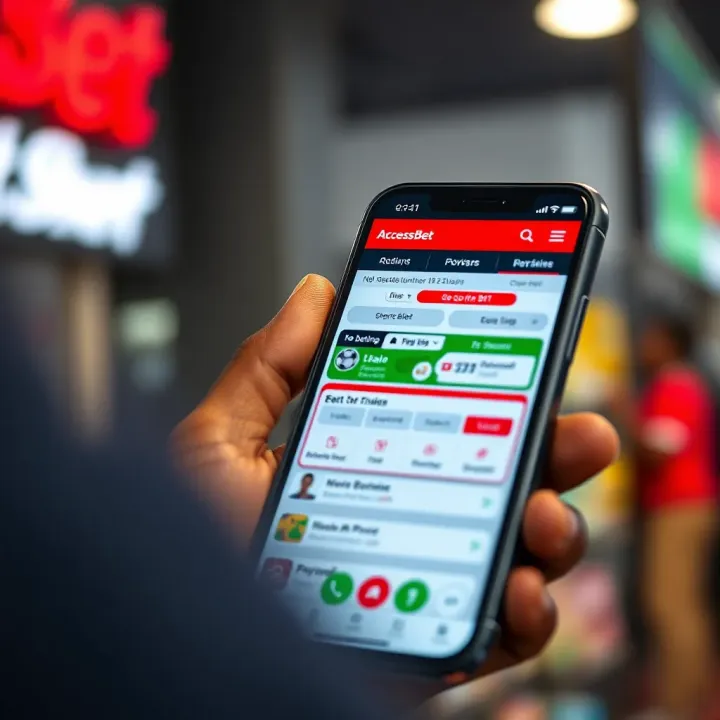
AccessBet’s kiosks were strategically located in busy urban locations—markets, transport hubs, and major streets—where foot traffic was high. For instance, in Lagos, you could find these small booths near popular bus stops or close to bustling markets like Balogun and Ladipo. The kiosks were often simple structures: a small room or hut equipped with a desk, tools for communication, and display boards showing the day's betting options and odds. Typically, these were scattered around neighbourhoods rather than big malls, making them more accessible to local bettors who may not have had smartphones or internet.
The central idea was straightforward—customers used their mobile phones to place bets through USSD codes or SMS, with the shop attendants guiding them step-by-step. Unlike today’s seamless apps, this method required clear instructions. The bettor would select a game or event, send the appropriate code to the AccessBet service, and the attendant would confirm the bet on their mobile device. Payment was mostly cash-based; customers handed over money to the attendant, who then ensured the bet was recorded. This system allowed many Nigerians without smartphone apps or stable internet to participate in sports betting.
Shop attendants were vital to the whole process. They didn’t just help with bet placement; they explained betting rules, checked odds, and retrieved results once matches ended. These attendants often developed trust-based relationships with regular bettors, making them comfortable asking questions about unfamiliar bets or managing stakes. In many cases, attendants handled multiple customers concurrently, juggling phone numbers, bets, and payments with skill. Their presence helped demystify sports betting for many first-timers.
The old AccessBet shops worked like community hubs for bettors, especially where technology or broadband coverage were limited. They made betting accessible and human-centred before apps took over.
Through understanding their setup and operation, we see how AccessBet’s early model laid the foundation for today’s online sports betting boom in Nigeria.
The old AccessBet mobile shops were key in making sports betting accessible across Nigeria, but they came with several challenges that shaped user experience. Understanding these hurdles helps to appreciate why the shift towards online betting platforms gained momentum.
Long queues were a common sight at many AccessBet kiosks, especially in busy areas like Lagos Island or Abuja’s Wuse Market. Since these shops were concentrated mostly in urban centres, bettors from surrounding suburbs or smaller towns often had to travel significant distances. At peak times, such as weekends or during major football matches, waiting times could stretch beyond an hour. This delay frustrated many, particularly those juggling multiple responsibilities like work or family.
Limited shop locations also meant many bettors had no convenient access to physical points. For example, in places like Kaduna or Enugu, few official kiosks existed, compelling enthusiasts to rely on unofficial agents or third-party shops. This limitation sometimes exposed customers to unreliable operators and reduced confidence in the betting process.
Reliable network connectivity has always been vital for mobile betting, but many AccessBet shops struggled with this. The shops depended on mobile data or 2G/3G networks which varied greatly in quality across Nigeria. At times, network interruptions led to failed or delayed transactions, leaving customers anxious about whether their bets were placed.
Transaction delays also caused confusion around betting deadlines. A bettor in Ibadan once shared how a slow transaction delayed confirmation of his bet beyond the scheduled match start time, leading to disappointment and lost opportunity. These delays undercut the seamless experience customers sought and highlighted infrastructural gaps common during those years.
Handling cash in busy betting shops brought its own set of security worries. Many shops operated in crowded, open areas without robust security measures. This environment made it easier for theft or pickpocketing to occur.
Moreover, customers often carried large sums of cash to place multiple bets, especially during big matches or tournaments. This exposed them to risk when moving to and from the shops. On the business side, shop attendants had to manage significant cash volumes, increasing the chances of errors or misappropriation.
Security risks and cash handling challenges often discouraged new or cautious bettors from participating regularly, highlighting the need for safer and more convenient alternatives.
In summary, these challenges—long waits, limited accessibility, unreliable networks, and security risks—paint a clear picture of why many Nigerian bettors eventually welcomed the rise of online platforms. AccessBet’s mobile shops laid important groundwork in the industry but also revealed the pain points that technology later sought to ease.
The shift from physical AccessBet mobile shops to online betting platforms marks a significant change in Nigeria's sports betting scene. This transition reflects wider improvements in internet access, smartphone use, and digital payment options. For many Nigerians, moving betting activities online has made the process smoother, faster, and more secure compared to the sometimes clunky old mobile shops.
Over the last decade, internet penetration in Nigeria has grown considerably, reaching over 50% of the population. Affordable smartphones combined with improved 4G and emerging 5G networks have brought millions online. Platforms like AccessBet took advantage of this by developing mobile apps and user-friendly websites that allow bettors to place wagers anytime, anywhere. App stores such as Google Play and Apple’s App Store offer these apps, which feature live betting, instant updates, and efficient account management.
Mobile apps also support local payment methods such as bank transfers through USSD codes, mobile money services like OPay or PalmPay, and card payments. This connectivity means bettors no longer depend solely on physical shops, which were often crowded or located far from their communities.
Moving betting online eliminates many challenges related to old mobile shops. First, the long queues that frustrated many customers vanish since bets can be placed from home or while on the go. Online platforms also reduce the risk of lost or stolen cash, as transactions use secure mobile money wallets or bank transfers. Network issues still happen but are less tied to shop infrastructure and more dependent on individual internet connections.
Additionally, online betting platforms offer quicker bet confirmation and easy access to previous betting history. Features like live streaming of matches, real-time score updates, and instant withdrawal options – which were impossible at physical shops – have become standard. These benefits result in a faster, safer, and more engaging betting experience.
AccessBet responded to changing technology by investing heavily in their digital platforms. They launched an official mobile app and upgraded their website to handle large user bases, ensuring smooth operation even during high-traffic periods like football league matches. They also integrated various payment gateways tailored to Nigerian users, including direct debit from major banks and popular fintech solutions.
To keep up with customer needs, AccessBet introduced features such as one-click betting, notifications for upcoming matches, and customer support through chat and call centres. Their marketing campaigns shifted from physical locations to online channels, targeting social media and sports websites to reach Nigeria’s growing online population.
These efforts helped AccessBet maintain its position as a key player in the Nigerian betting market amid fierce competition from other operators embracing digitalisation.
The movement from physical mobile shops to online platforms reflects not just a change in technology but a deeper shift in how Nigerians engage with sports betting—making it more accessible, convenient, and secure for millions across the country.
The old mobile AccessBet shops served as a crucial bridge between traditional betting and today's technology-driven platforms. Their presence across many Nigerian cities turned sports betting from a niche pastime into a widespread activity, making it accessible to people beyond the main urban centres. These shops demystified the process, enabling even those without smartphones or internet access to participate and build their betting habits.
AccessBet’s extensive network of mobile shops brought sports betting closer to everyday Nigerians. In places where digital literacy and internet penetration were low, these shops offered a user-friendly point of entry. For instance, a young Lagos resident could stroll into a local kiosk, discuss game predictions with the shop attendant, and place a bet using a basic phone. This made sports betting a social and communal activity rather than just an online transaction.
Anecdotally, many bettors credit these outlets for sparking their interest in the wide range of sports markets—especially football leagues like the English Premier League and the Nigeria Professional Football League. The shops’ physical presence also generated a steady buzz around big matches, turning betting into a part of everyday conversation at local pubs, markets, and workplaces.
Beyond just betting, AccessBet shops created livelihood opportunities. Many shop owners operated as small business entrepreneurs, investing in kiosks and employing attendants. In neighbourhoods across Abuja and Port Harcourt, the shops became hubs that attracted foot traffic, benefiting other nearby businesses such as eateries and mobile recharge centres.
This ecosystem bolstered the informal economy by circulating cash within local communities. For example, a shop in Onitsha employing two attendants who might otherwise struggle for work also contributed indirectly to household incomes. In some cases, the steady income from these shops enabled small operators to sponsor school fees or invest in tokunbo motorcycles for okada services.
The mobile shops didn’t just sell bets—they spurred economic activities that uplifted many Nigerian localities, often overlooked in mainstream economic discussions.
The move from physical shops to digital platforms taught key lessons about adaptation and inclusion. While online betting apps delivered convenience, the transition reminded stakeholders that access remains uneven, particularly in rural and semi-urban areas where internet connectivity fluctuates.
It also highlighted the importance of trust and personal interaction. Old AccessBet shops provided face-to-face communication, which reassured many first-time bettors uncertain about digital payments and security. Today’s platforms may combine this with live customer support and intuitive interfaces to fill that gap.
The shift further underscores that technological progress in Nigeria must consider local realities such as power outages and data costs. Betting firms expanding in Nigeria now often blend digital innovation with offline support channels, acknowledging that a one-size-fits-all model rarely works.
In sum, the heritage of old AccessBet shops stays relevant as it shaped betting culture, supported local economies, and offers valuable insights for Nigeria’s fintech and entertainment sectors going forward.
🎲 Get clear steps on how Nigerian users can access AccessBet's old mobile login platform, fix common issues, and manage accounts securely for smooth betting fun.
📲 Learn how to use AccessBet's old mobile site easily. Get step-by-step login help, fix common issues, and keep your account safe in Nigeria's betting scene.
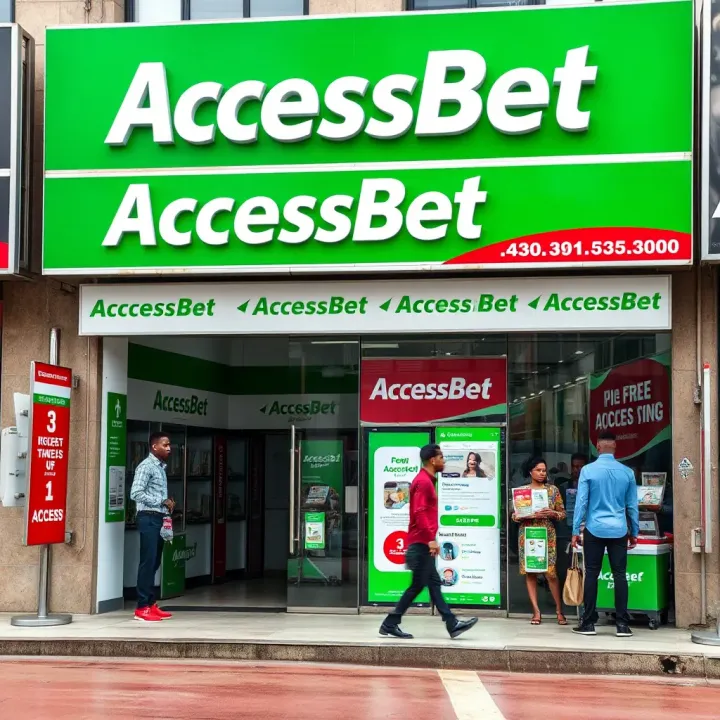
📞 Find out how to locate and contact AccessBet shops across Nigeria, get fast customer service support, tips for clear communication, and quick resolutions when you visit.
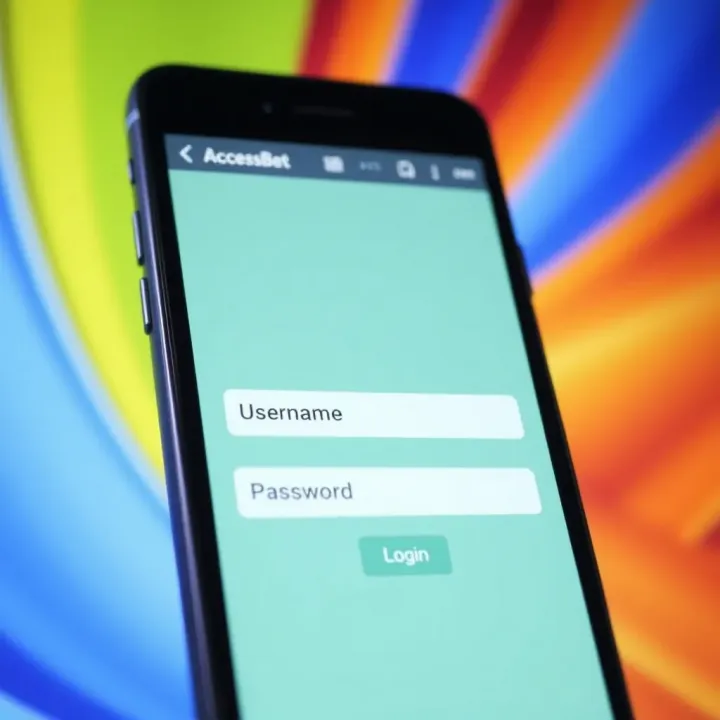
📱Explore the 2013 AccessBet mobile app! Learn how Nigerians registered, logged in, and used features on early betting platforms. Compare with today’s apps for better play strategies.
Based on 6 reviews