

AccessBet Registration Number: How to Register and Use It
📲 Learn how to register on AccessBet and find your registration number fast! Get tips to solve common issues for smooth betting right here in Nigeria 🇳🇬
Edited By
Sophie Bennett
Back in 2013, AccessBet emerged as one of the early players in Nigeria's mobile sports betting scene. Unlike today's slick apps, the 2013 AccessBet mobile platform was straightforward but functional, built to serve users who often dealt with slower internet and limited smartphone capabilities.
At the time, many Nigerians accessed betting platforms via simple internet browsers on their phones, as app stores weren't as developed or accessible. AccessBet's mobile site was optimised for basic smartphones, focusing on speed and ease of use over flashy graphics. This approach made it popular among bettors using mid-range or tokunbo phones, especially in cities like Lagos and Kano.
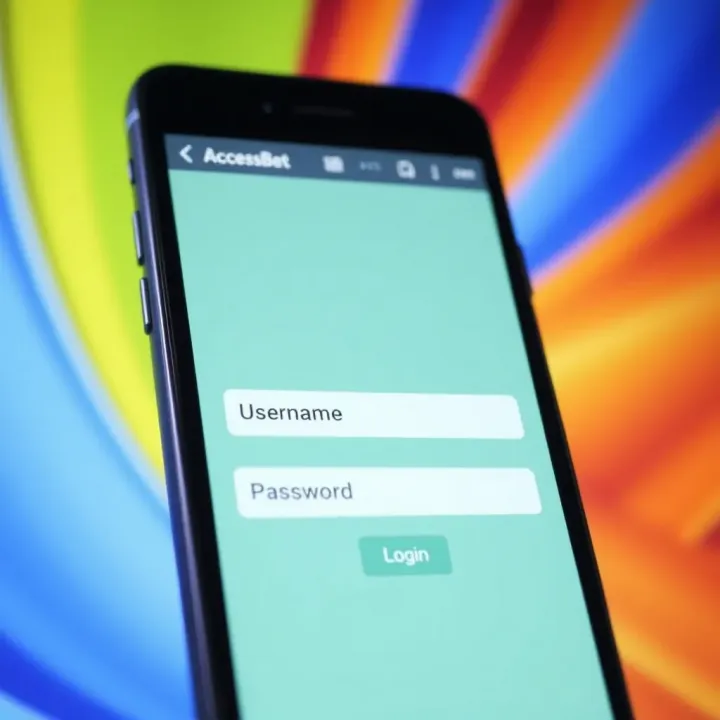
The platform offered a clear registration process, requiring basic personal information and valid contact details. New users had to provide a phone number, full name, and pick a secure password during signup. There was no social media integration or biometric authentication, of course, which made security entirely dependent on passwords and the user's vigilance.
Login involved entering a username or registered phone number plus the password. AccessBet did not yet implement two-factor authentication, so users had to be careful to avoid phishing attempts or sharing details with others.
Once logged in, users could explore standard betting markets like Nigerian Premier League matches, international football, and popular sports such as basketball and tennis. The mobile interface allowed quick bet placements with clear odds and a simple bet slip system. However, interactive features like live streaming, instant cash-out, or detailed statistics were missing, reflecting the tech limits of that period.
Despite its simplicity, AccessBet 2013 provided a user-friendly mobile betting experience during a time when Nigeria's internet infrastructure was still developing.
Some challenges users faced included occasional downtime due to server overload and slow page loads during peak hours. Payment options were fewer than today, often requiring bank transfers or using POS terminals at agents’ shops instead of convenient digital wallets.
This early platform laid groundwork for the richer, more secure apps Nigerians now enjoy from brands like Bet9ja, NairaBet, and Betking. Understanding AccessBet's early mobile setup helps appreciate how far Nigeria’s sports betting tech has evolved in the last decade.
Understanding the background of AccessBet Mobile in 2013 is key to appreciating how mobile sports betting evolved in Nigeria. At that time, mobile internet was becoming more widespread, and AccessBet's entry set a foundation for today’s thriving online betting scene. Knowing the starting point helps bettors and fintech players see the progress and challenges that shaped the industry.
Around 2013, Nigeria experienced a significant increase in mobile internet penetration. Affordable smartphones and growing 3G coverage made it possible for more Nigerians to access the internet from their phones. This change opened the door for mobile-driven services like sports betting, which before were mostly on desktop or physical shops.
The practical effect was huge: even people outside major cities could place bets using their mobiles. This shift gave platforms like AccessBet an opportunity to reach a wider audience beyond Lagos or Abuja.
Sports betting was already gaining ground as a popular pastime by 2013, especially due to football, which has mass appeal across Nigeria. Betting shops grew visibly in urban and suburban areas, and the shift to mobile betting offered convenience that physical shops couldn’t match.
For many Nigerians, sports betting became not just entertainment but a potential side income. This rise fuelled demand for user-friendly mobile platforms, pushing operators like AccessBet to innovate.
AccessBet entered the mobile betting space with a strategy focused on accessibility and simplicity. While some competitors relied more on USSD or SMS betting, AccessBet developed a mobile website optimized for feature phones and early smartphones, balancing speed and usability for users with limited data or slow connections.
This approach helped them capture a sizable segment of Nigeria’s emerging mobile bettors, especially young adults comfortable with navigating mobile tech but still cautious with data usage.
In 2013, AccessBet’s mobile platform offered essential betting features such as viewing odds, placing wagers, and checking results. While it lacked some of the richer interfaces we see today, it was stable and straightforward.
Key practical features included live score updates and simple bet slip functionality, which made it easier for users to make quick decisions on the go. These features directly addressed the needs of users dealing with patchy internet or limited airtime.
AccessBet primarily targeted urban and semi-urban young adults, many of whom were sports fans with basic internet access on feature phones or early smartphones. The platform focused on Nigeria’s South West and Lagos as starting points but gradually expanded.
This regional focus was practical because of infrastructure gaps and population density. The company’s efforts made mobile betting more approachable for non-indigene and local youth alike, bridging digital divides common at the time.
Competitors like NairaBet and Bet9ja were also making strides in mobile betting, but AccessBet stood out for its early investment in mobile-optimised web access rather than solely relying on USSD or app-based systems, which were less common.
While AccessBet’s interface was simpler, it was less data-heavy and more reliable on slower networks. This technical edge gave it an advantage in less connected areas, though larger companies later pulled ahead by adopting apps and more interactive features.
AccessBet’s 2013 mobile platform formed a vital chapter in Nigeria’s betting history, improving accessibility and shaping user expectations in an evolving market.
This background sets the stage for exploring AccessBet’s registration, login, and online features, showing how practical constraints and user needs shaped the platform's initial design and reach.
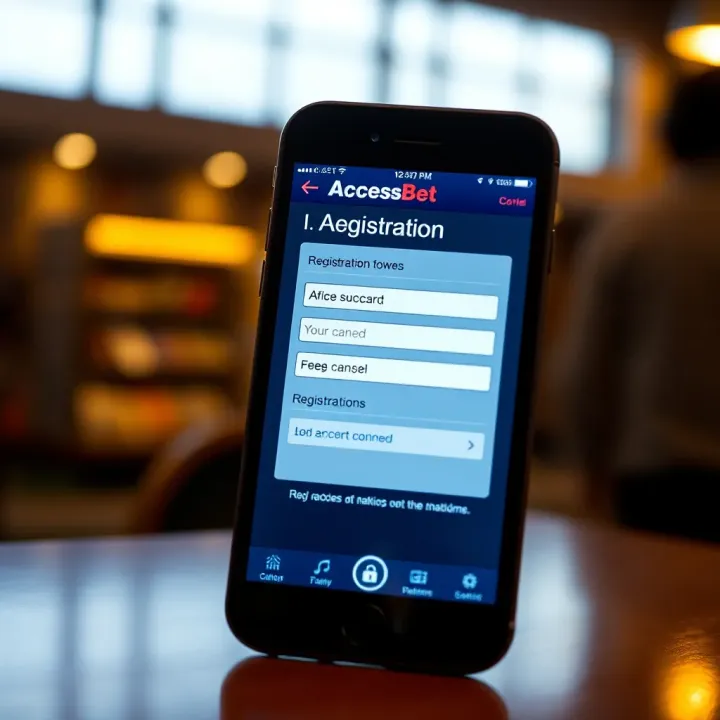
Opening an account on the old AccessBet mobile platform in 2013 was the gateway to accessing Nigeria's burgeoning mobile sports betting scene. This process mattered to users because it marked the official start of their interaction with the app, letting them place bets, deposit funds, and track their activities. Understanding the registration steps from back then helps appreciate how far the industry has come, especially in terms of security and convenience.
Required personal information Users had to provide basic personal details like full names, phone number, date of birth, and a preferred password. Occasionally, AccessBet requested additional identification like a national ID number or delivery address if requested for verification or prize delivery. This minimal data collection was practical for quick registration but balanced with enough detail to manage user accounts and payments. For example, a bettor in Lagos needed only their phone number and name to get started swiftly, which appreciated the mobile-first Nigerian market where many operated on basic smartphones.
Verification methods used Verification mostly relied on sending an SMS code to the registered phone number. This straightforward two-factor method helped confirm identity while matching the mobile number to an account. Sometimes, agents or customer service would follow up with a phone call for high-value bettors or to resolve pending issues. The simplicity of this method reflected the infrastructure limits at the time; while not foolproof, it was practical given network variation across Nigeria, especially outside Lagos and Abuja.
Common issues during registration Challenges were common, from failed SMS verifications due to weak signals in rural areas to missed information fields in the form. Some users reported confusion registering on smaller screens or on slow, unstable 2G networks. For instance, a bettor using a tokunbo smartphone in Port Harcourt might experience page timeouts or error messages, delaying account setup. These hiccups meant some bettors had to retry registration severally or engage customer support, showing early mobile platforms' dependence on growing Nigerian telecom infrastructure.
Measures to protect user information AccessBet applied basic encryption on data entry forms and stored passwords hashed, which was good practice for 2013. The platform also recommended users keep passwords private and used phone number verification to reduce fake accounts. While Nigeria’s data protection laws were still developing, these measures helped create a safer environment for sensitive registration details. For a bettor sharing personal data over public Wi-Fi, encryption provided some comfort against common cyber threats.
Challenges faced with account security The major challenge was the risk of SIM swapping and unauthorized access due to weak mobile network protection. Fraudsters could potentially gain control of a phone number and reset a password. Moreover, data breaches in third-party payment partners posed risks since transactions tied closely with bank accounts or wallets. These gaps underscored the need for stronger identity verification and secure payment integrations, many of which emerged later with fintech advances.
Lessons learned from early registration processes The old AccessBet experience showed that registration needed to be both simple and secure to encourage user trust and retention. Early users demanded quick onboarding but also reliability. This balance helped shape later Nigerian betting platforms where biometric verification, BVN (Bank Verification Number) checks, and multi-factor authentication became standard. Practically, bettors learnt to safeguard login credentials carefully and preferred platforms with timely customer support for registration issues.
Clear and user-friendly registration remains the cornerstone for sports betting platforms, especially in environments like Nigeria where mobile use and network quality vary widely. Historical insights into AccessBet’s early process help understand the Nigerian market’s unique demands and challenges.
This detailed look at registration in 2013 highlights the foundation of Nigerian mobile betting. It also serves as a reminder of how much trust and security bettors have always valued alongside convenience.
The login feature on the old AccessBet mobile platform was a critical gateway for users, giving access to their betting accounts and personal data. Considering Nigeria's growing interest in sports betting during 2013, being able to log in smoothly meant more timely bets and better control over wagers. The login process structured user interaction, ensuring only verified players could access their accounts while securing sensitive information.
Username and password entry was the primary way users accessed AccessBet. This method was straightforward—players created usernames during registration and paired them with passwords for security. For example, a football fan in Lagos could easily enter their username and password on their basic phone's browser or a feature phone with internet access. This simplicity made it practical, but it also depended heavily on users remembering their credentials without much help from password managers common today.
Mobile number or phone verification served as an alternative for users who preferred a link to their phone numbers. AccessBet tied the account to the user’s mobile number, allowing login attempts to send one-time codes or use the number as an identifier. This was crucial in Nigeria, where phone ownership is widespread even in rural areas, providing a more accessible and secure login process amid unreliable internet connections.
When it came to handling forgotten passwords, AccessBet provided basic recovery options via email or SMS verification. Users who forgot their password could request a reset link sent to their registered email or receive a verification code on their phone. This approach helped reduce account lockouts but was challenged by limited internet penetration and inconsistent email usage among some users.
Network connectivity issues were a common headache in 2013 Nigeria. Many users relied on 2G or early 3G connections, often unstable and slow. This made logging in a test of patience, especially during peak betting times like Premier League match days. Sometimes, login attempts timed out, forcing retries and occasional user frustration.
Interface simplicity and limitations defined the old AccessBet mobile platform. Unlike today's slick, app-like interfaces, the 2013 version was minimalist, focusing on basic functionality over aesthetics. This design had pros and cons—loading was faster on weak connections, but users had fewer features like biometric login or app notifications, which modern bettors find essential.
User feedback and common complaints often pointed to difficulties in navigating the login page and handling password resets. Many bettors expressed frustration with slow page loads or confusing error messages. Such feedback drove later improvements but highlighted the growing pains of early mobile betting in Nigeria.
Smooth, reliable login is the backbone of any betting experience—without it, even the best odds lose their appeal. AccessBet's early system laid groundwork, despite the technical and user challenges faced.
In summary, the login feature on the old AccessBet mobile site combined simple username/password access and phone-based verification. While functional, it faced hurdles common in early Nigerian mobile internet days, affecting user satisfaction but setting important precedents for future fintech and betting developments.
Navigating online features on the 2013 AccessBet mobile platform was central to shaping the overall user experience, especially when mobile internet was still finding its footing in Nigeria. Players needed simple, fast access to core betting functions without unnecessary complication. This section highlights key features like placing bets, viewing odds, managing accounts, and processing transactions—all through a then-basic mobile interface. These features defined how bettors interacted with AccessBet and influenced the platform’s early footprint in Nigeria’s competitive betting scene.
AccessBet’s mobile platform in 2013 focused mainly on popular sports like football (soccer), basketball, and tennis. Football dominated the markets, reflecting Nigerian bettors’ love for the game. Users could explore both local Nigerian leagues and major international competitions such as the English Premier League and Champions League. This range gave punters something familiar alongside broader betting choices.
The odds display was straightforward but less dynamic than today’s apps. Odds appeared mostly in decimal format, which was easier to understand for many users new to betting. The bet slip function allowed players to accumulate selections before confirming a wager. However, the slip lacked some modern features like quick updates or real-time changes, so bettors had to be mindful of odds shifting before placing bets.
Bet types were relatively limited compared to current platforms. Standard options like single bets, accumulators, and system bets were available, but more complex bets like live betting or Asian handicaps were largely missing. Limits on bet amounts were set conservatively, which suited casual bettors avoiding big losses but felt restrictive for high rollers.
For deposits and withdrawals, AccessBet relied on a mix of bank transfers and mobile money, reflecting Nigeria’s payment landscape then. Popular options included GTBank and Zenith Bank transfers, plus early mobile wallets like Paga. While convenient, transaction times could vary due to banking hours and slow USSD verification.
Tracking betting history was a simple feature but valuable for bettors managing their stake and returns over time. Users could view past bets and outcomes, helping them learn from wins and losses. Though the interface didn’t provide detailed stats or analysis, the basic record-keeping supported more thoughtful betting strategies.
Bonuses and promotions on mobile were fewer but effective. AccessBet occasionally offered cashback on losses or small reload bonuses, encouraging continued play. Such promos were modest by today’s standards but built user loyalty. AccessBet’s approach to mobile bonuses helped set a foundation for later, more sophisticated promotional offerings in Nigerian betting apps.
Understanding how these online features worked gives insight into the daily life of a sports bettor in 2013 Nigeria. The old AccessBet mobile made betting accessible but left room for growth that later apps would fulfill.
Understanding how the old AccessBet mobile platform stacks up against today's betting apps helps highlight the rapid changes in technology and user needs. For Nigerian bettors, this comparison offers insight into which features have improved and what remains vital for a smooth betting experience. It also points out the gaps that existed and how current platforms address them.
Back in 2013, AccessBet’s mobile interface was quite basic, focusing mainly on functionality over style. Users dealt with simple menus and limited graphics to lessen load times, considering Nigeria’s network challenges then. Today’s apps boast slick, intuitive designs that make placing bets almost effortless. Smooth navigation, clear fonts, and responsive touch controls mean users spend less time fumbling around and more time enjoying the platform.
In 2013, payment methods on AccessBet were limited, mostly involving bank transfers or direct USSD codes. Modern betting apps, on the other hand, integrate fully with popular Nigerian fintech platforms like Paystack, Flutterwave, and OPay. This integration offers seamless deposits and withdrawals with instant confirmations. Plus, options like Quickteller and direct bank apps now support instant funding, reducing downtime and user frustration.
Security back then leaned on basic password protection and sometimes manual verification. Today, Nigerian apps use multifactor authentication (MFA), device recognition, and real-time fraud detection to keep accounts safe. Verification now includes BVN (Bank Verification Number) checks and sometimes NIN (National Identification Number) integration, ensuring that accounts cannot be easily compromised or misused.
The old AccessBet app offered pre-match betting primarily, with scarce live betting options. Now, live betting dominates the scene, boosted by access to live streaming right within the app. Nigerian bettors expect to watch matches in real time while adjusting their bets. This demands strong app performance and reliable internet connectivity, which apps now handle better thanks to improved optimisation and streaming partnerships.
Support in 2013 mostly meant email or slow-response contact forms. Present-day apps feature 24/7 live chat, WhatsApp support, and even AI chatbots providing quick solutions. Being able to sort out issues immediately improves user trust and retention. For Nigerian bettors, who often face unique network or payment challenges, this level of support makes a big difference.
Fintech companies have revolutionised how Nigerians interact with money, and betting apps ride this wave closely. Instant funding through mobile wallets, easy withdrawal via popular banks, and seamless handling of bonuses show fintech’s impact. The ability to fund an account at a local bank branch, use a mobile money agent, or send funds from a USSD code to the betting wallet now feels standard — none of which was widespread back in 2013.
Comparing old platforms like AccessBet mobile with modern apps paints a clear picture of progress. Better design, payment integrations, stronger security, and improved support tailored to Nigerian users have all raised the bar for sports betting on mobile devices.
This understanding helps bettors appreciate what today's apps offer and set realistic expectations about future improvements in Nigeria’s growing online betting market.
📲 Learn how to register on AccessBet and find your registration number fast! Get tips to solve common issues for smooth betting right here in Nigeria 🇳🇬
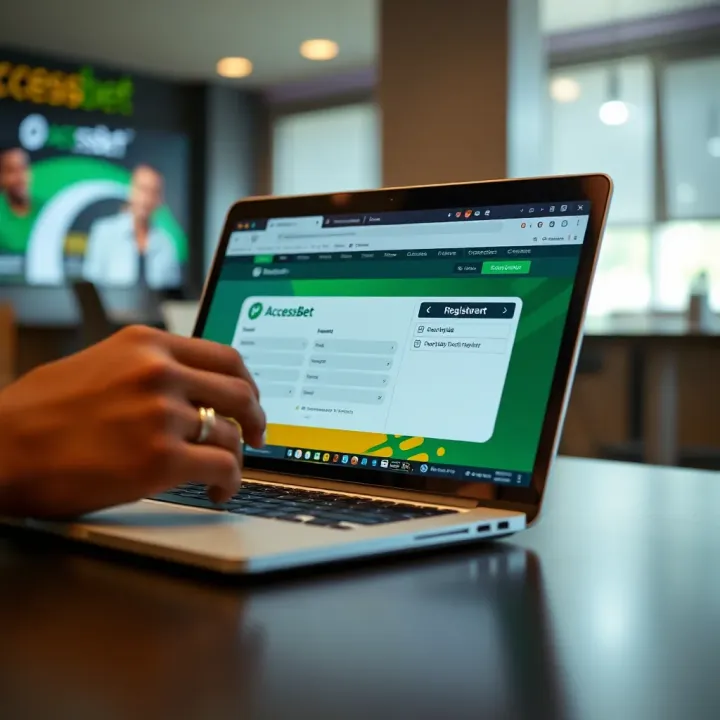
⚽ Want to join AccessBet? Follow this step-by-step guide for Nigerian users! Learn how to register, verify your account, and bet safely on your favourite sports today.

🎯 AccessBet Lite offers Nigerian bettors a fast, simple platform with easy payment options and clear tips—perfect for efficient, safe betting on the go 📲
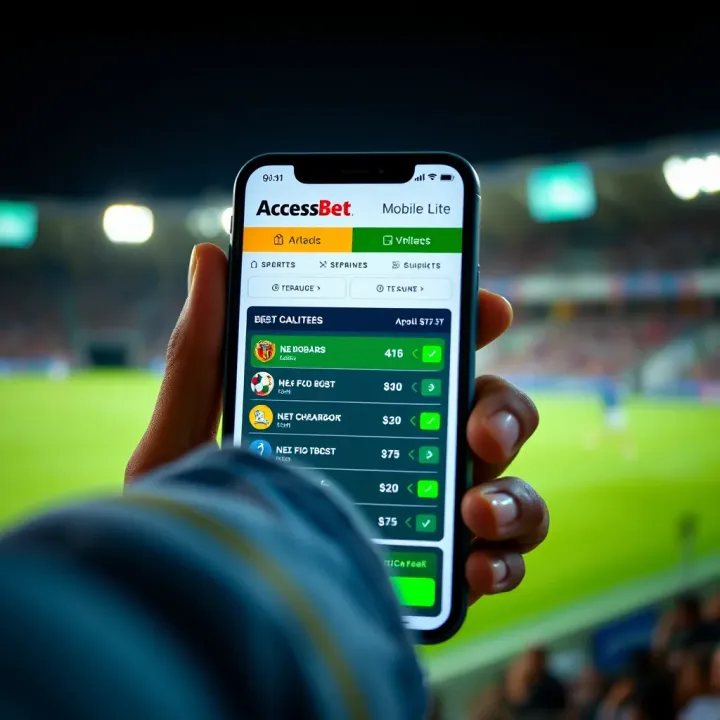
AccessBet MobileLite offers Nigerian bettors fast, data-friendly access to sports betting 🎯. Learn how to start, pay safely, and navigate Nigeria's gaming scene with ease 🇳🇬.
Based on 11 reviews