

AccessBet Soccer Prediction for Nigerian Bettors
⚽ AccessBet helps Nigerian bettors sharpen soccer predictions with expert strategies, smart tools, and risk management tips for better wins in ₦₦land. 📊
Edited By
James Harrison
Mining in Nigeria holds great promise but also faces unique challenges that require smart and adaptable strategies. The sector contributes significantly to the economy, yet many operations struggle with issues such as infrastructure deficits, regulatory complexities, and fluctuating commodity prices.
Understanding these hurdles is the first step towards creating a successful mining venture. For instance, poor road networks often hamper timely transportation of ores, increasing operational costs. Investors must plan for such logistical setbacks and consider partnerships for improving access routes or investing in private haulage systems.
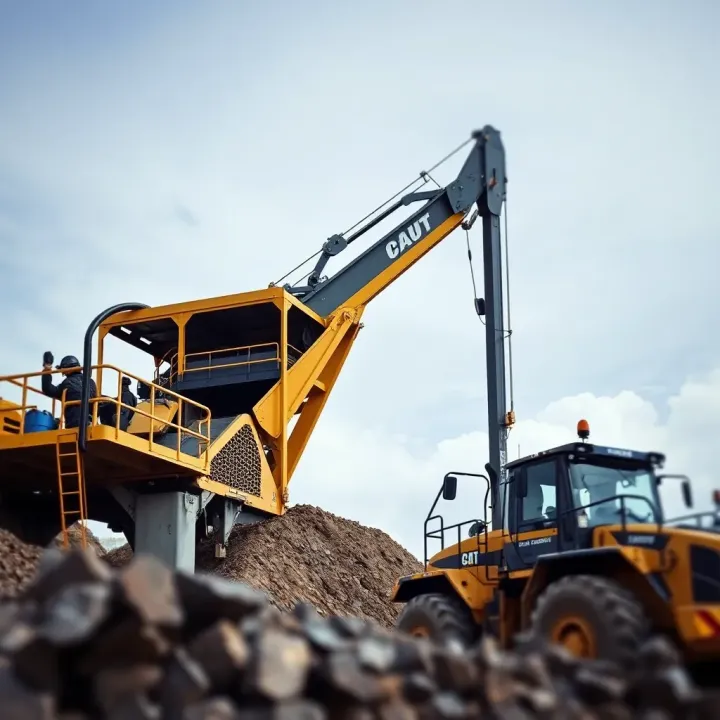
Regulatory compliance is another area that needs close attention. Navigating permits and licences from agencies like the Ministry of Mines and Steel Development demands proactive engagement and thorough documentation. Overlooking local content policies can lead to fines or suspension, so staying updated on government regulations is not negotiable.
On the technology front, adopting affordable mechanisation techniques can boost productivity while reducing reliance on manual labour, which remains costly and less efficient. Many Nigerian miners might find value in deploying mid-tier equipment sourced from reputable international suppliers, balancing cost and durability.
Financial planning also plays a critical role. Given the naira's volatility and fuel price fluctuations that affect generator use, operators should build flexible budgets with contingency funds. Exploring local financing options from Nigerian banks or fintech platforms like Kuda and Flutterwave can improve cash flow without relying solely on expensive foreign loans.
Successful mining in Nigeria requires blending local knowledge with practical resource management and compliance. This approach ensures not just survival but growth in a highly competitive environment.
In summary, planning for infrastructure challenges, engaging with regulatory bodies effectively, investing in technology wisely, and adopting sound financial strategies form the core of running efficient mining operations in Nigeria. Upcoming sections will delve deeper into each area, offering clear paths for miners and investors to follow.
Nigeria’s mining landscape is complex but essential knowledge for anyone looking to succeed in the sector. Grasping the industry’s dynamics helps investors and operators identify viable opportunities and avoid costly mistakes. For example, an entrepreneur who understands where key minerals are located is better placed to plan exploration and extraction effectively.
Key mineral resources and their locations play a vital role for miners and investors. Nigeria boasts a wide range of minerals including limestone in Ogun and Benue states, coal mainly in Enugu, tin concentrated around Jos Plateau, and gold spread across Zamfara, Kebbi, and Niger states. Knowing these locations guides site selection and exploration planning, saving time and capital. For instance, gold mining ventures in Zamfara must factor in the region’s security challenges, while coal mining in Enugu has potential for local power generation.
The contribution to the Nigerian economy by mining is significant but underdeveloped. Minerals contribute between 1% and 2% of GDP compared to oil’s larger share, yet mining employs millions in artisanal and small-scale operations. Formalising artisanal mining and investing in larger-scale operations could boost tax revenues and create jobs. Awareness of mining’s economic role also informs government policy and investor confidence, shaping the sector’s growth trajectory.
Despite its potential, the mining sector faces current challenges affecting miners. Poor infrastructure, especially bad roads to remote sites, raises transport costs. Security risks, including banditry in northwest regions, hamper operations. Additionally, limited access to financing and outdated equipment slow productivity. Understanding these obstacles helps operators prepare contingency plans, budget conservatively, and engage with stakeholders effectively.
Navigating mining laws and compliance requirements is non-negotiable for Nigerian miners. Operators must secure licences from the Ministry of Mines and Steel Development, adhere to environmental regulations like Impact Assessments, and comply with safety standards. Non-compliance can result in hefty fines or licence revocation. Practical knowledge of these laws helps operators avoid costly regulatory hiccups and maintain smooth operations.
The Ministry of Mines and Steel Development plays a central role in regulating, promoting, and monitoring the sector. It issues licences, enforces compliance, and drives initiatives like the Mining Roadmap to attract investments. For miners, regular engagement with the ministry ensures they stay updated on policy changes, enabling swift adjustments to operations.
Recent reforms have impacted mining operators in several ways. The 2020 Mining Act amendments introduced clearer royalty frameworks and eased access to mining rights, boosting investor interest. Efforts to digitise licensing processes reduce bureaucracy and delays, allowing faster project start-ups. However, reforms also increase obligations for transparency and environmental stewardship. Operators must balance these improved processes with enhanced responsibilities to benefit fully.
Understanding Nigeria's mining landscape—from resource locations and economic role to regulations—is the foundation for any successful mining operation in the country.
Key Mineral Locations:
Gold: Zamfara, Kebbi
Coal: Enugu
Limestone: Ogun, Benue
Tin: Jos Plateau
Major Challenges:
Poor infrastructure
Security risks
Limited financing
Regulatory Bodies:
Ministry of Mines and Steel Development
Compliance with Mining Act and Environmental laws
Having a clear grasp of these elements sharpens decision-making and prepares businesses for sustainable mining ventures in Nigeria.
Proper planning and resource management form the backbone of successful mining in Nigeria. Without clear strategies, operations risk wasteful spending, frequent downtime, and regulatory breaches. By carefully selecting sites, managing labour, and deploying equipment efficiently, mining ventures can boost output and cut costs.
Geological surveys and resource assessment are fundamental when starting a mining project. These surveys involve detailed mapping of mineral deposits across various Nigerian terrains — for example, assessing lead-zinc ore in Jos or limestone in Benue using geophysical and geochemical tools. An accurate resource assessment ensures miners don’t waste time and money chasing unprofitable sites.
Beyond technology, using local knowledge for site identification plays a crucial role. Local communities often have valuable insights based on traditional experience with mining activities or mineral finds. In states like Kogi or Zamfara, engaging elders and miners can reveal promising locations missed by formal surveys. This approach reduces exploration risk and builds community trust.
Mining companies must also balance cost and potential yield effectively. While high-yield sites seem attractive, they may involve steep upfront costs or challenging terrain requiring heavy investment. Conversely, sites with moderate yield but easier access and lower overheads—such as smaller tin deposits in Plateau State—might offer better return on investment in the shorter term. Careful financial modelling helps make these trade-offs clear.
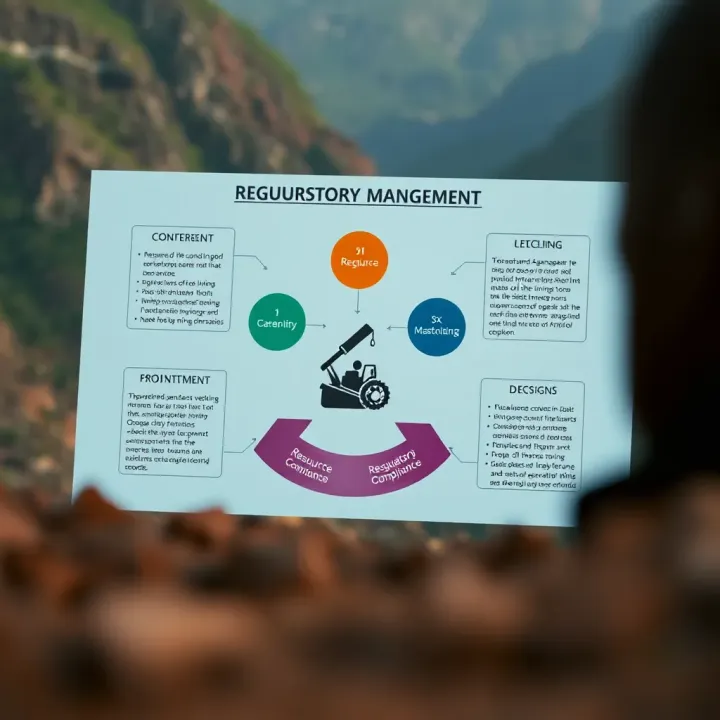
Training and safety protocols for workers are non-negotiable in Nigerian mining. With risks from heavy machinery, dust, and explosive materials, thorough training and strict adherence to safety standards reduce accidents and downtime. For example, miners operating in remote areas like Zamfara should receive tailored training on handling hazardous materials and using personal protective equipment.
Choosing the appropriate machinery for scale is equally critical. Small-scale operations in artisanal mines may rely on compressed air tools and manual labour, whereas larger commercial ventures require excavators, crushing plants, or conveyor systems. Selecting machines that match operational size prevents both underutilisation and overexpenditure.
Finally, maintenance schedules to reduce downtime safeguard productivity. Regular checks and timely repairs of equipment like drills and generators prevent unexpected breakdowns that can halt mining for days. A simple rule is to log machine hours and perform maintenance every 100 operational hours. This approach is relevant across Nigerian mining sites where power supply challenges already stretch operational capacity.
Poor planning and resource management can sink mining ventures before production even begins. Success lies in matching resources wisely to local realities and operational goals.
This section highlights practical steps to secure maximum value from Nigeria’s rich mineral resources through deliberate planning and hands-on management.
Incorporating technology is no longer optional for mining operations in Nigeria; it’s essential for improving productivity and staying competitive. Modern digital tools and sustainable technologies help operators make informed decisions, reduce costs, and minimise environmental harm. From GPS mapping to energy-efficient equipment, tech adoption addresses several challenges local miners face, including inaccurate resource estimations and erratic power supply.
Mining companies in Nigeria benefit hugely from GPS and mapping software when planning and monitoring extraction sites. Precise geographical data supports accurate resource assessment and limits guesswork, especially in remote locations where traditional surveys can be slow and costly. For instance, platforms like ArcGIS and Google Earth enable quick visualisation of mineral deposits, helping miners pinpoint where to focus efforts without overextending resources.
Besides aiding exploration, these tools improve operational efficiency by tracking equipment movement and workforce deployment. This reduces delays — common in Nigerian mines due to poor infrastructure — and facilitates better coordination among teams on-site.
Collecting real-time data through sensors and mobile apps enhances decision-making on Nigerian mining sites. Data on equipment performance, soil composition, and weather can be analysed to optimise extraction processes and predict maintenance needs, preventing costly downtimes.
Practical applications include simple smartphone-based survey tools or more advanced IoT devices connected to cloud platforms. For example, data analysis can reveal patterns that allow adjustments to drilling depth or blast timing, increasing mineral yield while cutting waste.
While full-scale automation remains rare in Nigeria, semi-automated machinery such as conveyor belts and drilling rigs controlled remotely improve safety and output. Using automated systems reduces human error and limits exposure to hazardous conditions, which remain a risk given the training gaps in many mining communities.
Moreover, automation can be scaled gradually. Starting with routine tasks frees workers to focus on supervising and troubleshooting, rather than manual labour. This enhances productivity with relatively low upfront investment.
Extracting minerals with minimal environmental damage is critical for Nigerian miners, especially in areas prone to erosion or biodiversity loss. Techniques like hydraulic mining with water recycling or selective mining, which targets only rich mineral zones, help limit landscape disruption and conserve natural resources.
Such methods also reduce regulatory risks. Mining firms adopting greener extraction are less likely to face fines or project suspensions from the Ministry of Mines and Steel Development or environmental agencies.
Tailings — the leftover material after mineral extraction — pose significant environmental hazards if not managed properly. Nigerian operators can avoid pollution of water bodies by building secure containment facilities and treating waste before disposal.
Some mines use tailings to create backfill, returning material underground to stabilise tunnels, effectively recycling the waste. This approach cuts disposal costs and reduces the footprint of mining activities.
Power outages and high diesel costs weigh heavily on Nigerian mines. Switching to energy-efficient equipment such as electric-powered crushers or variable speed drives reduces fuel consumption and dependence on generators.
Solar-powered pumps and lighting systems also provide sustainable energy solutions suited to off-grid sites, cutting operational expenses. These technologies make a real difference in enhancing profitability, especially for small and medium-scale miners.
Integrating technology smartly into Nigerian mining isn’t just about boosting output. It’s about making operations safer, cleaner, and more resilient to local realities like power issues and environmental regulations. This approach positions miners for steady growth and community acceptance.
Navigating Nigeria's mining sector means tackling not only the technical aspects but also the legal and social obligations that come with operating in local communities. Ensuring compliance keeps your venture above board and shields you from legal troubles, while engaging the community builds goodwill that often leads to smoother operations and local support. This section breaks down the vital practices to keep your mining activities aligned with laws and positively linked with people around.
Obtaining licences and permits is the first step every mining operation must clear before striking ground. Licences from bodies like the Ministry of Mines and Steel Development and environmental permits ensure your business meets Nigeria’s statutory requirements. Failure to secure these can lead to project shutdowns or fines, costing time and money. For example, the Mining Act mandates obtaining a mining lease or location licence depending on the scale, and these documents affirm your right to explore or mine a site.
Environmental Impact Assessments (EIA) are compulsory for mining projects. The EIAs assess how your activities might affect land, water, air, and local communities. Carrying out a thorough EIA upfront helps identify potential environmental risks and creates mitigation plans, avoiding conflicts and penalties later. Many miners who neglect EIAs face community protests or government sanctions, so it pays to engage certified environmental consultants early to conduct this assessment properly.
Regular reporting and audits keep miners accountable. Operators must submit periodic environmental and operational reports to regulators, showing compliance with conditions stated in licences and EIAs. These reports also help detect and correct issues before they escalate. Audits—whether internal or by government agencies—provide transparency and reinforce trust with stakeholders. A mining firm in Zamfara, for example, won praise after it improved its waste disposal methods following audit recommendations.
Engaging local stakeholders and leaders means more than paying lip service. Establishing dialogue with traditional rulers, community leaders, and local government helps understand community needs and expectations. Regular meetings can prevent misunderstandings that might arise from misinformation. In Ondo State, some miners hold quarterly town hall sessions, which have reduced opposition and built mutual respect.
Community development projects translate goodwill into lasting benefits. Funding local schools, clinics, or improving road access shows genuine commitment and fights the stereotype of mining ventures that inflate profits yet leave locals in hardship. Such projects also create direct jobs and business opportunities, boosting the local economy. A notable example is a Jos-based mining firm that supports a borehole project and vocational training centre, winning community loyalty.
Mitigating conflicts and fostering goodwill requires proactive strategies. Mining operations sometimes trigger disputes over land, environmental damage, or resource usage. Quickly addressing grievances through established channels—such as community liaison offices—prevents escalation. Transparent communication, fair compensation, and inclusion of locals in decision-making breed goodwill. This approach helped a mining company in Enugu avoid disruption by resolving noise complaints and compensating affected farmers fairly.
Maintaining legal compliance and nurturing strong community ties are not just ethical choices but practical steps that secure mining operations in Nigeria’s complex environment.
In sum, adherence to legal and environmental rules safeguards your licence to operate, while active community engagement paves the way for sustainable and peaceful mining ventures across Nigeria.
In Nigeria’s mining sector, maximising profitability and securing long-term success are fundamental for sustainable operations. Given the high capital outlays and operational challenges such as power reliability, security concerns, and infrastructure deficits, miners must adopt strategies that keep costs manageable while boosting output quality. This balance directly impacts profitability and the viability of operations beyond initial extraction phases.
Streamlining operations for efficiency involves analysing every step in the mining value chain to eliminate waste and improve productivity. For example, a mid-size gold mine in Kaduna reduced idle machine time by scheduling routine maintenance during off-peak production hours. This ensured equipment functioned optimally without disrupting output, resulting in increased daily tonnage.
Using lean practices, operators can focus labour and equipment on critical tasks, cutting unnecessary delays or overlaps. Efficient workflows also help reduce fuel consumption—a big cost driver in Nigerian mines due to erratic grid power and frequent reliance on diesel generators.
Managing supply chains and logistics is crucial as Nigerian mines often face challenges like poor road networks and import delays for spare parts. Establishing local vendor networks and stocking essential components ahead of time reduces downtime. For instance, a coal operation in Enugu sources most consumables from regional suppliers who can deliver within 48 hours, avoiding costly weeks-long wait times from Lagos ports.
Logistics planning also extends to transporting mineral products. Securing reliable haulage contracts and knowing seasonal road conditions help prevent spoilage and losses en route to markets.
Cost-saving strategies relevant to Nigerian contexts include choosing machinery with local service support to cut maintenance costs and embracing shared infrastructure with nearby mines. Additionally, solar-powered lighting and water pumps can reduce diesel consumption, trimming overhead expenses during long dry seasons.
Negotiating bulk fuel purchases or partnering with fuel suppliers provides price advantages, which translates to lower operational costs. Many miners have also saved on security expenses by coordinating joint patrols with community vigilante groups, weaving safety with local involvement.
Collaborations with local and international investors bring more than just capital. Nigerian mining enterprises that work alongside experienced foreign partners benefit from technical know-how, international standards, and wider networks. A Lagos-based mining outfit partnering with a Canadian exploration firm improved its resource estimation accuracy, attracting further investment.
On the local front, linking with indigenous companies helps with regulatory navigation, and fosters goodwill essential for smooth operations.
Accessing export markets requires compliance with Nigerian export procedures, mining product certification, and good logistics. Nigerian tin producers, for example, gained access to European markets by meeting strict quality controls demanded by importers.
Broader market reach boosts prices and opens doors to new customers who value Nigerian minerals. Export incentives from the government can also improve margins.
Leveraging fintech and payment platforms for sales simplifies transactions, especially in remote mining areas. Platforms like Paystack and Flutterwave enable miners to receive payments in naira or foreign currencies efficiently, reducing reliance on cash and mitigating risks linked to naira volatility.
Fintech solutions also ease supplier payments and payroll processing. Integrating these tools supports smooth financial flows, which are critical for operational continuity and investor confidence.
Efficient cost control combined with strategic partnerships unlocks the potential for Nigerian miners to thrive not only locally but on international stages. Profitability today means survival tomorrow.
⚽ AccessBet helps Nigerian bettors sharpen soccer predictions with expert strategies, smart tools, and risk management tips for better wins in ₦₦land. 📊

🎲Master AccessBet Crash with smart strategies! Learn how risk management, bankroll control, and betting patterns increase your chances of winning ₦ while betting responsibly in Nigeria.

🎯 Learn how to register, fund your SportyBet account, place savvy bets, understand odds, and withdraw winnings easily on Nigeria's trusted betting platform! 📱💰

🎉 Discover where and how to find AccessBet promo codes, redeem them, and maximise Nigerian betting offers safely for better winnings on your favourite platform.
Based on 10 reviews