
How to Play SportyBet: Nigerian Guide
🎯 Learn how to register, fund your SportyBet account, place savvy bets, understand odds, and withdraw winnings easily on Nigeria's trusted betting platform! 📱💰
Edited By
James Oladipo
Self-exclusion is becoming a vital tool for Nigerians seeking to manage their gambling habits and avoid addiction. It allows individuals to voluntarily restrict their access to betting platforms, casinos, and other gambling services. In a country where gambling options—both online and physical—are increasing rapidly, this option provides much-needed control for vulnerable bettors.
In simple terms, self-exclusion is a personal commitment to stay away from gambling venues or websites for a set period. For example, a bettor frustrated with repeated losses might request to be barred from an online sportsbook like Bet9ja or a physical casino in Lagos. Once enrolled, the operator blocks the person’s account, restricting deposits, bets, and withdrawals.
The Nigerian gambling industry, regulated by the National Lottery Regulatory Commission (NLRC) and other relevant bodies, recognises self-exclusion as part of responsible gaming practices. Many betting companies offer self-exclusion programmes as part of their customer support to demonstrate compliance and protect consumers.
Self-exclusion empowers Nigerians to take control of gambling before it turns into problem gambling—acting as a practical barrier between temptation and action.
However, the system faces challenges unique to Nigeria. Many operators lack an integrated database to enforce self-exclusion across platforms, which means someone barred on one app might still gamble elsewhere. Also, public awareness is limited, with many bettors unsure about how to access or use self-exclusion schemes.
To qualify for self-exclusion, individuals usually need to submit a formal request—sometimes via app settings, customer support chats, or email. The duration varies from a few months to indefinite bans, depending on preference and operator policy. Importantly, during the self-exclusion period, operators should not market gambling products to participants or send promotional offers.
This article will explore the practical workings of self-exclusion in Nigeria, relevant legal frameworks, the roles operators and regulators play, and how support organisations can improve the system. Ultimately, it aims to equip Nigerians—bettors, fintech firms, compliance officers alike—with knowledge to navigate this protective mechanism effectively.
Self-exclusion in Nigeria refers to a voluntary agreement where individuals restrict themselves from accessing gambling platforms or venues for a set period. The main goal is to help protect gamblers who recognise patterns of loss or risky behaviour before it turns into a serious addiction. For example, a Lagos bettor noticing frequent losses on sports betting might decide to self-exclude to regain control over his finances and time.
This practice is practical because it empowers the gambler to take responsibility without legal compulsion. It also helps reduce harm by cutting off access to betting shops, online services, or lottery outlets temporarily or permanently. Self-exclusion serves as a proactive step, not just for those struggling seriously but for anyone wanting to maintain balance in their betting habits.
Self-exclusion provides a direct, user-led approach to managing gambling risks, complementing Nigeria’s broader consumer protection efforts.
Lotteries and sports betting are the most popular gambling forms across Nigeria, with companies like the National Lottery and numerous private bookmakers operating widely. Many Nigerians place bets on football matches (local and international) or participate in lottery draws for chances to win cash prizes. These activities are easily accessible both physically and online, making them a common avenue where problem gamblers may seek self-exclusion.
Given their popularity, these betting platforms often provide self-exclusion options to help users pause or stop betting. For instance, a football enthusiast betting on premier league games might enrol for self-exclusion through a bookmaker’s website, preventing further bets and notifications during the exclusion period.
Online casinos offering slots, card games, and virtual roulette have gained ground in Nigeria thanks to growing internet access and smartphone penetration. Some gambling websites also integrate live dealer games, making the experience more engaging. However, the convenience of playing anytime can make it easier for vulnerable individuals to lose track of time and money.
Self-exclusion in online gaming platforms is crucial because it lets players limit their participation remotely. Players can request automatic blocks from these websites, ensuring they cannot deposit funds or engage in gambling activities. This service is vital given the fast-paced, always-on nature of online gambling, which otherwise intensifies addiction risks.
Despite the rise of online gambling, physical betting shops and casinos remain widespread in urban centres like Lagos, Abuja, and Port Harcourt. Betting shops, often brightly branded and sprinkled along busy streets, provide a direct point of sale for sports betting and lotteries. Casinos, though less common, operate legally within specific states, offering table games and slot machines.
Self-exclusion here typically involves an agreement with the shop or casino, where the gambler’s details are added to a list restricting entry or participation. This can be more challenging to enforce consistently but is a key tool for reducing harm. For example, a gambler visiting a local betting shop may request exclusion, and the operator commits to refusing bets from that individual for the period agreed.
Overall, understanding these gambling forms clarifies where self-exclusion applies and its practical role for Nigerian gamblers looking to control or break from risky habits.
Understanding how self-exclusion functions is vital for Nigerian gamblers who want to take control of their betting habits and prevent gambling addiction. This section explains the practical steps involved, the options available, and compliance measures, helping you get a clear picture of how the process operates within Nigeria's gambling environment.
Self-exclusion is open to anyone who feels their gambling is becoming problematic or wants to avoid temptation. This includes regular bettors at sports betting shops, players on online casinos, and visitors to physical betting centres. Even those unsure about their addiction but wanting to stay cautious can register. In Nigeria, there is no age restriction beyond the legal gambling age—generally 18 years and above must enrol themselves voluntarily. Family members cannot initiate exclusion on behalf of others; it must be a personal decision.
The registration process usually involves filling out a self-exclusion form either online or physically at a betting outlet. For instance, platforms like Bet9ja and NairaBet provide clear self-exclusion options via their websites or customer service desks. Gamblers must supply identification details, such as BVN or NIN, to enable operators to block their accounts effectively. Once registered, the operator implements the exclusion immediately or within a short grace period, ensuring the gambler cannot access services during the agreed term.
Nigerian self-exclusion typically offers several time-frame choices, allowing gamblers to pick what suits their situation. These range from short periods like six months to longer spans of one, three, or even five years. Some operators provide permanent exclusion options, where the gambler commits to indefinite restriction. This flexibility recognises that problem gambling varies, and individuals may need different levels of support.
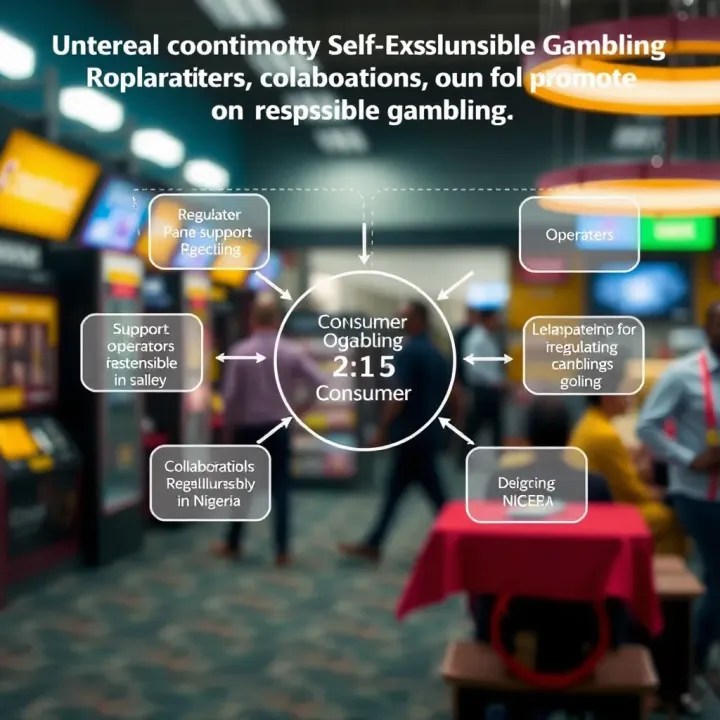
Self-exclusion can cover multiple gambling products, including online sports betting, lottery games, and physical betting shops. For example, if a person excludes themselves on BetKing, the block applies to all their sports betting and casino activities on that platform. However, coverage depends on the operator; some exclude all gambling products under their control, while others only block selected games. Nigerian players should check the extent of activities covered during the registration.
Operators rely on technology to spot excluded individuals and enforce bans efficiently. This includes using identity verification tools like BVN matching, IP address tracking, and account monitoring systems to prevent excluded users from reopening accounts. For instance, online platforms steadily improve their software to cross-check user details before allowing bets. Physical outlets may collaborate with regulators to share blacklists, reducing the chance that excluded gamblers can access betting points.
Despite these measures, enforcing self-exclusion fully faces hurdles. Some operators lack robust systems, making it easier for excluded individuals to create new accounts using different details. The informal nature of parts of Nigeria's gambling market also complicates monitoring, as many small shops operate with limited oversight. In addition, fragmented regulation across states means consistent enforcement is tricky. That said, continued efforts by the National Lottery Regulatory Commission (NLRC) aim to tighten control and improve operator accountability for better compliance.
Self-exclusion offers a real lifeline for Nigerian gamblers seeking restraint, but success depends on both the individual's commitment and operators staying vigilant.
This knowledge equips Nigerian bettors with practical insight into how self-exclusion functions, so they can use this tool effectively to safeguard their wellbeing.
The legal and regulatory framework in Nigeria lays the foundation for effective self-exclusion schemes by setting clear rules for gambling operators and protecting consumer interests. Understanding this system helps bettors and fintech companies navigate the landscape smoothly while supporting responsible gambling.
At the federal level, gambling in Nigeria is primarily regulated by the National Lottery Act and the Criminal Code, which together govern betting activities, lotteries, and gaming operations. The National Lottery Act mandates that all lottery and gaming businesses must be licensed and regulated by the National Lottery Regulatory Commission (NLRC). This legal framework ensures operators are accountable and are required to implement measures like self-exclusion. For example, any operator licensed under this law must provide a mechanism for players to voluntarily restrict their access, helping to mitigate problem gambling.
In addition to federal laws, certain states have their own regulations that affect gambling activities. Lagos State, being a commercial hub, has issued specific guidelines targeting betting shops and casinos within its jurisdiction, often enforcing stricter operational standards. These state laws may influence how self-exclusion is administered locally, sometimes requiring operators to coordinate directly with state agencies when enforcing restrictions. Players in states with clear gambling regulations benefit from stronger protection and streamlined enforcement of self-exclusion.
The NLRC serves as Nigeria’s principal authority over lotteries and gambling operators. It licenses sportsbooks, casinos, and online gaming providers, making sure they comply with national standards. Part of the licensing conditions includes obligation to run self-exclusion programmes and to maintain proper records of excluded players. The NLRC also conducts regular audits and spot checks to check if operators honour these commitments. This oversight reinforces discipline among gambling providers and safeguards the interests of consumers.
The NLRC has prioritised consumer protection by introducing policies that specifically address gambling addiction and fair play. These include mandatory self-exclusion facilities, clear signage about the risks of gambling, and guidelines on handling complaints related to breaches of exclusion. Notably, the commission actively promotes education campaigns on responsible gambling. These measures aim to empower Nigerian bettors, ensuring they have access to tools and information necessary to control their betting behaviour, which is vital given the growth of online and mobile betting platforms in the country.
A strong legal framework backed by active regulatory enforcement is essential for making self-exclusion an effective tool against problem gambling in Nigeria.
In practice, these laws and the role of the NLRC create an environment where operators can't ignore self-exclusion requests, and players have legal recourse if their requests are not respected. This supports accountability while encouraging safer gambling habits nationwide.
Support systems and resources play a vital role in assisting Nigerian gamblers who struggle with problem gambling. Beyond self-exclusion, these structures provide practical help to manage addiction, offer guidance, and pave the way for recovery. With gambling growing rapidly in Nigeria - especially through online platforms - access to such support is more relevant than ever.
Counselling centres in Nigeria serve as critical touchpoints where individuals can seek professional help for gambling addiction. These centres typically provide one-on-one therapy, helping clients explore the root causes of their gambling issues and develop coping strategies. Some notable centres are located in Lagos and Abuja, offering specialised behavioural therapy and support groups.
Hotlines complement counselling services by offering immediate assistance. Telephone helplines staffed by trained counsellors provide confidential guidance to gamblers facing crises or needing urgent advice. For instance, during the ember months when gambling activity spikes, helplines experience increased calls, reflecting their importance in harm reduction.
Several NGOs in Nigeria actively support problem gamblers through awareness campaigns, workshops, and peer counselling. Groups such as the Lagos Addiction Rehabilitation Centre and The Life Foundation are instrumental in reaching out to vulnerable populations, especially youths drawn into sports betting and lotteries.
Community groups also provide informal platforms where recovering gamblers share experiences and motivate one another. These gatherings often happen in community halls or places like bukaterias, making support local and accessible. Beyond counselling, these organisations sometimes collaborate with fintech platforms for financial literacy sessions, empowering gamblers to manage money responsibly.
Financial limits allow gamblers to restrict the amount they can spend over a period, serving as a practical control to prevent excessive losses. Many Nigerian betting apps now include features to set daily or weekly stakes limits. Users can pause gambling activities temporarily through 'time-out' options, giving them breathing space to rethink their decisions.
These tools are particularly useful for those reluctant or not yet ready to commit to outright self-exclusion. They provide flexibility, enabling users to manage their gambling habits without cutting off access completely, which can be less intimidating.
Family plays a significant role in Nigeria’s social fabric, making family and peer support crucial in tackling gambling addiction. Loved ones often encourage problem gamblers to seek help and offer accountability. Support from peers who understand the challenges can reinforce positive behaviour changes.
Practical involvement may include setting spending budgets together or providing emotional assistance during tough times. Cultural values around community bonding make such support systems particularly effective in Nigerian contexts, where isolation can worsen addictive behaviours.
Access to both formal and informal support systems enhances the effectiveness of self-exclusion by addressing gambling addiction comprehensively, not just through restricted access.
Together, counselling services, NGOs, financial tools, and family support form a wide net that safeguards Nigerian gamblers from the pitfalls of excessive gambling, making recovery a more achievable goal.
Self-exclusion schemes offer an important way for Nigerian gamblers to control their betting habits, but several hurdles limit their effectiveness. Addressing these challenges is necessary for better consumer protection and reducing gambling-related harm.
A major challenge is that many Nigerians remain unaware of self-exclusion options. Most bettors, especially in rural areas and lower-income groups, do not know these tools exist or how to access them. For example, a football bettor in a small town may only hear about betting but not about how to restrict their gambling if it becomes problematic. This gap means individuals often continue gambling without safeguards, worsening addiction risks.
Accessibility is another barrier. Several betting shops and online platforms may not offer clear, simple ways to enrol in self-exclusion. Sometimes the registration process is complex, or operators fail to promote it visibly. Also, language and digital literacy hurdles make self-exclusion systems less reachable for many Nigerians. To increase uptake, operators and regulators must work together to simplify processes and raise public awareness, especially during major betting events or ember months when gambling spikes.
Ensuring operators comply with self-exclusion requests remains a practical concern. Some betting companies in Nigeria face challenges verifying identities due to weak KYC (Know Your Customer) measures and fraudulent accounts. This loophole enables excluded individuals to bypass restrictions by registering anew with different details.
Moreover, enforcement relies heavily on operators' willingness and capacity to monitor and block self-excluded customers. Smaller or unregistered betting shops may lack the infrastructure to enforce exclusions reliably. Instances have emerged where self-excluded players still received marketing offers or accessed betting sites, undermining the scheme’s purpose.
To improve compliance, there must be stronger regulatory oversight and penalties for non-compliance. Operators should adopt standardised systems with biometric or BVN (Bank Verification Number) verification to curb evasion. This also means investing in training staff to recognise and support excluded individuals rather than encouraging continuous gambling.
Technology can aid self-exclusion enforcement, but it also raises data protection issues in Nigeria’s developing digital environment. Collecting personal and financial data to identify excluded gamblers requires robust security measures to prevent breaches or misuse. Unfortunately, many operators do not yet meet global data protection standards, exposing customers to risks.
Nigerian consumers often worry about sharing sensitive information, especially with fears around identity theft or fraud. These concerns may discourage them from enrolling in self-exclusion programs. Operators must guarantee data confidentiality and educate users on privacy policies.
Strong data protection builds trust, making gamblers more likely to use self-exclusion tools effectively.
In addition, technology must be used wisely. Overreliance on automated blocking without human oversight can produce false positives or neglect grey areas, such as family members unknowingly helping a self-excluded gambler. A balanced approach combining tech and personal intervention yields better results.
Addressing these challenges will enhance self-exclusion’s role in protecting Nigerian gamblers while respecting their rights and realities. Collaboration between regulators, operators, NGOs, and communities is key to tailoring solutions that work on the ground.
Enhancing self-exclusion measures in Nigeria is key to helping gamblers control their betting habits and reduce the risk of addiction. Current challenges like low awareness, weak enforcement, and limited technological use mean many Nigerians cannot fully benefit from self-exclusion schemes. Strengthening these measures improves consumer protection and promotes responsible gambling, with wider benefits for individuals, families, and communities.
Clearer regulation and stricter operator supervision are needed to make self-exclusion truly effective in Nigeria. Regulators such as the National Lottery Regulatory Commission (NLRC) should enforce rules that compel betting operators to honour self-exclusion requests without delay. For example, operators caught accepting bets from excluded players could face hefty fines or license suspension. Regular audits and spot checks would ensure that operators maintain compliant databases and staff are trained to identify self-excluded customers. This approach builds trust and encourages more gamblers to opt for self-exclusion.
Many Nigerians remain unaware of self-exclusion options or misunderstand their purpose. Public campaigns through radio, social media, and community outreach can demystify the process and encourage those at risk to take action. Educational programmes should target hotspots like university campuses, markets, and local betting shops, explaining how self-exclusion works and where to find help. For instance, partnerships with trusted local NGOs can spread the message in local languages, reaching communities often left out. One practical example is to include self-exclusion information in popular betting apps, so users see it as a positive, normal choice.
Technology can improve monitoring and enforcement of self-exclusion in Nigeria’s growing online and offline gambling markets. Operators can deploy AI systems to detect excluded players attempting to place bets using fake identities or payment methods. Centralised self-exclusion registries—connecting all licensed operators—would stop excluded players from switching platforms. Mobile notification alerts can remind gamblers of their self-exclusion status, reinforcing commitment. However, ensuring data protection is paramount to prevent misuse or breaches. Successful tech use depends on collaboration between regulators, operators, and fintech firms familiar with Nigeria’s digital ecosystem.
Improving self-exclusion is not just about stopping risky gambling but creating an environment where Nigerians gamble responsibly and seek help without stigma. With stronger rules, better knowledge, and smart tech, Nigeria can make significant strides in protecting bettors from harmful habits.
🎯 Learn how to register, fund your SportyBet account, place savvy bets, understand odds, and withdraw winnings easily on Nigeria's trusted betting platform! 📱💰
🎯 AccessBet Login Nigeria guide teaches you steps to sign in, fix login problems, manage your account securely & explore betting on sports with ease. ⚽️📱
Compare Msport and AccessBet 🎯 to find which sportsbook offers better betting options, payment ease, and support for Nigerian punters. Win big with ₦ bets!
Discover who owns AccessBet, the popular Nigerian sports betting platform 🇳🇬. Get insight into its origin, company background, and business ties for trust and clarity ⚽💼.
Based on 11 reviews