
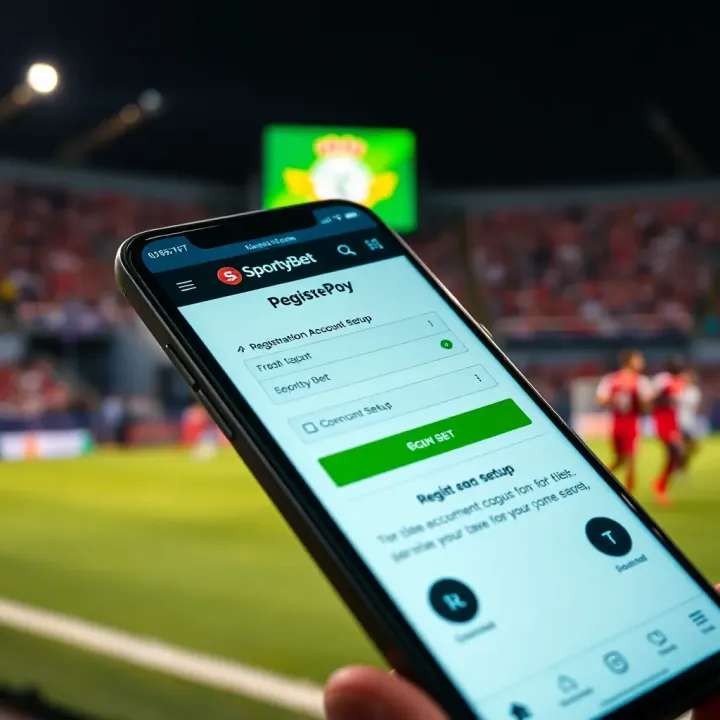
How to Play SportyBet: Nigerian Guide
🎯 Learn how to register, fund your SportyBet account, place savvy bets, understand odds, and withdraw winnings easily on Nigeria's trusted betting platform! 📱💰
Edited By
Edward Thompson
The Nigerian casino industry is growing steadily under the watch of the Nigeria Casino Gaming Board (NCGb), the regulatory body responsible for licensing and overseeing legitimate casino operations. Licensed casinos in Nigeria operate within a clear legal framework that aims to protect players, ensure fair play, and promote responsible gambling while contributing to the country’s economy.
NCGb licenses are necessary for casinos to function legally across Nigeria, whether physical or online. The licensing process involves strict requirements including background verification, capital adequacy, and compliance with anti-money laundering guidelines. This ensures only serious operators gain entry into the lucrative but sensitive market.
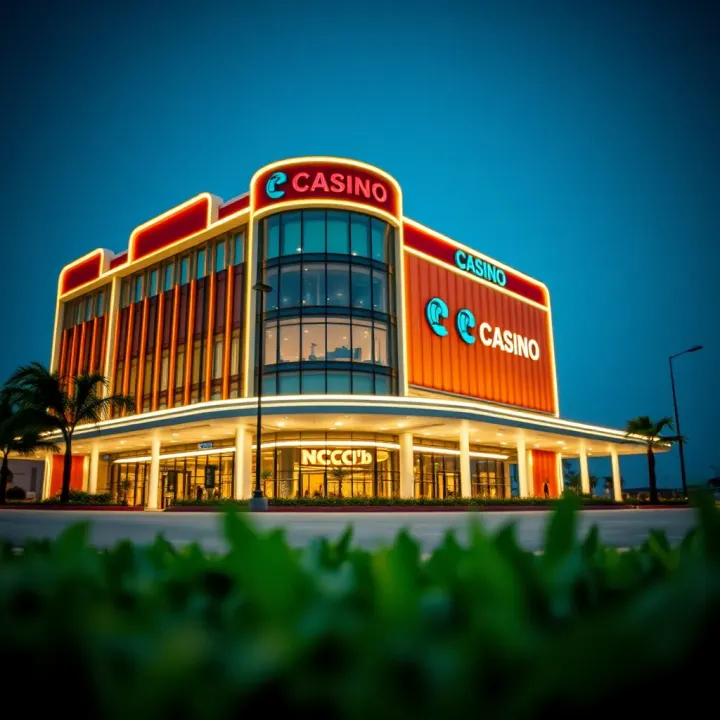
Some of the key licensed casino operators in Nigeria include established brands like Spinlet Casino, Golden Bet, and Bet9ja, all authorised by NCGb to provide both landbased and online gaming services. These operators have invested significantly in technology and local partnerships to enhance customer experience and security.
The licensed casinos not only add entertainment value but also generate substantial revenue for government coffers through taxes and levies.
Casinos contribute to job creation in Nigeria, employing thousands in various roles from customer service to IT support and compliance officers. On top of that, they attract foreign exchange through partnerships with international gaming firms.
However, the industry faces challenges such as occasional power outages affecting operations, regulatory enforcement gaps, and the need to keep up with evolving technology and player preferences. Still, the steady rise in registered players and earnings shows Nigeria's casino sector is on course to become a key entertainment pillar.
In this guide, you will learn how these licensed casinos operate, the regulatory standards enforcing their conduct, and their wider impact on Nigeria’s economy and entertainment scene.
Role of Nigeria Casino Gaming Board (NCGb)
Licensing requirements and process
Major licensed casino operators
Economic and employment benefits
Operational challenges and industry outlook
This overview will provide you with a solid understanding of how licensed casinos fit into Nigeria’s financial and cultural fabric, guiding you through essential facts for bettors, business partners, and regulators alike.
The Nigeria Casino Gaming Board (NCGb) plays a fundamental role in shaping the country's casino industry. Its regulatory oversight ensures that casino operations remain transparent, reliable, and fair, making it crucial for anyone involved in or interested in Nigeria's gambling sector to understand its functions. Whether you are a bettor, a fintech payment facilitator working with casinos, or a compliance officer monitoring operators, knowing the NCGb's role helps you navigate the industry with greater confidence.
NCGb holds the official regulatory authority that governs all legitimate casino activities in Nigeria. This means it sets the standards, issues licences, and oversees the day-to-day functioning of casino operators. For instance, before any casino can open its doors, it must meet strict conditions set out by the Board, including rigorous background checks and capital requirements. Such oversight prevents unlicensed and potentially fraudulent operators from entering the market, protecting consumers and maintaining industry integrity.
By supervising casino operations, the NCGb ensures that businesses operate within the law. This includes regular inspections and compliance checks. For example, if a Lagos casino expands its gaming halls or introduces new machines, the Board will verify that these changes conform to the regulations, thereby safeguarding the interests of both the operators and the players.
One of the critical responsibilities of the NCGb is to make sure that games offered in licensed casinos are fair and transparent. This involves supervising the use of gaming equipment like roulette wheels, slot machines, and card decks to certify that they are not rigged. For players, this assurance means that the odds they face are not skewed unfairly against them.
Moreover, the Board mandates that casinos use certified game software especially for digital platforms. This reduces the risk of manipulation in online gaming scenarios, where physical oversight is challenging. For daily bettors using mobile apps or online casinos, the NCGb's role in enforcing fairness directly impacts their trust in these platforms.
Protecting casino players from fraud and unfair practices stands at the heart of the NCGb’s functions. The Board enforces strict rules on cash handling, transaction security, and dispute resolution procedures. For example, casinos must implement measures to prevent money laundering or the use of stolen payment methods.
Additionally, the Board promotes responsible gambling through mandatory self-exclusion policies and awareness campaigns. This helps prevent addiction and provides channels for players facing trouble to seek help. In practice, these protections build public confidence and encourage safer participation in Nigeria’s gaming industry.
Casino regulation is embedded in Nigerian law through various legislative instruments. The primary laws include the National Lottery Act, the Criminal Code, and state-specific gaming laws, which collectively define what constitutes legal casino activity. These laws empower the NCGb to act against illegal operators and establish the rules for licensing, taxation, and consumer protection.
For example, the Criminal Code sections related to gambling offences guide the Board’s enforcement actions against unlicensed casinos or operators flouting the rules. In Lagos State, where gaming is highly regulated, the Board works closely with state authorities to ensure adherence to these laws, thereby strengthening legal compliance across the board.
Casino operators under NCGb licence must meet ongoing compliance requirements to maintain their status. These include periodic financial reporting, maintaining minimum capital reserves, ensuring all employees are properly trained, and adhering to anti-money laundering regulations.
Failure to comply may result in penalties such as fines, suspension, or revocation of the casino licence. This strict regime motivates operators to uphold high standards. For example, a casino caught manipulating gaming machines or failing to submit timely tax returns can expect swift regulatory action, protecting both government interests and player welfare.
Understanding these legal and regulatory frameworks equips stakeholders with the knowledge needed to operate responsibly or participate safely in Nigeria’s casino market.
Obtaining a licence from the Nigeria Casino Gaming Board (NCGb) is the gateway for any operator that wants to run a legal casino in Nigeria. Understanding the criteria and process is key both for prospective operators and stakeholders who want to grasp how the industry keeps fair play, transparency, and compliance at its core. This section breaks down the important requirements and steps involved so you know what it takes to legally join Nigeria’s casino market.

To be eligible, an applicant must be a fully registered Nigerian company. This means having a Certificate of Incorporation from the Corporate Affairs Commission (CAC). The ownership structure must comply with NCGb rules, which usually require a minimum Nigerian equity stake. This ensures that local investors and businesses have a meaningful share in casino operations, helping promote economic participation and reduce risks linked to foreign sole ownership.
Operators must also meet governance standards—with clear records to show absence of criminality or fraud. For example, directors and major shareholders undergo background checks. Without meeting these criteria, an application will likely be rejected outright.
Applicants need to demonstrate financial ability to run a casino without compromising operational standards. This means showing evidence of sufficient capital and liquidity, often backed by audited financial statements. The NCGb wants to be sure the operator can maintain continuous service, pay relevant taxes, and handle payouts without draining customer trust.
Operational capacity covers things like having qualified management teams and proper physical infrastructure. For instance, if someone wants to open a casino in Lagos, they must present clear plans for facilities, security, and technology to prevent fraud or money laundering. These requirements ensure operators run with professionalism and protect players effectively.
The process begins when the interested company submits a detailed application to the NCGb. This includes all necessary documents demonstrating compliance with registration, financial proof, business plans, and ownership structure. Early attention to documentation detail matters here; incomplete or inaccurate filings often delay consideration and lead to rejection.
After submission, the NCGb carries out a thorough review. This involves background checks on owners and executives, financial audits, and physical inspections of proposed casino sites. The board also assesses compliance with legal standads regarding responsible gaming and anti-money laundering measures.
For example, if an applicant wants to start operations in Abuja, the NCGb officials will verify if the premises meet safety codes, confirm the authenticity of operators’ financial claims, and evaluate their awareness of responsible gambling regulations.
Once the evaluation succeeds, the NCGb issues the licence, usually valid for a fixed term, such as five years. Operators must keep up with regulatory requirements during this period to avoid penalties. Renewal applications require showing ongoing compliance and may involve fresh inspections.
A failure to renew on time or falling foul of NCGb rules can lead to licence suspension or cancellation. Hence, operators need continuous engagement with the board and timely submissions of financial and operational reports.
The financial commitment for a NCGb casino licence is substantial. Initial application fees could start from several million naira, with additional charges for evaluations and inspections. The exact amount depends on the scale and location of the casino.
Plus, annual licence fees, which act as a regulatory revenue source, are payable throughout the licence period. This fee structure reflects the board’s intention for licensed casinos to contribute meaningfully to government revenue, while ensuring only serious, financially sound operators participate in the market.
Acquiring an NCGb licence is not just about ticking boxes; it involves detailed scrutiny to maintain industry integrity and protect both the public and investors.
Understanding these criteria and procedures gives clear insight into how Nigeria manages its casino sector for transparency and growth. If you plan to be involved as an operator, regulator, or investor, knowing this pathway helps you navigate the business landscape with confidence.
Understanding the key players among NCGb licensed casinos is essential to grasp Nigeria's gaming scene's current scale and quality. These casinos shape industry standards and directly impact player experience, economic contributions, and regulatory compliance. Highlighting major operators and their offerings helps Nigerians identify trusted venues for entertainment and betting.
Several reputable casino operators have secured licenses from the Nigeria Casino Gaming Board (NCGb), reflecting Nigeria's growing appetite for regulated gaming. For instance, The Federal Palace Casino in Lagos stands out as a flagship brand, well-known for combining luxury amenities with a diverse gaming floor. Similarly, Oriental Gaming Centre offers broad casino services across multiple locations, focusing on customer service and compliance.
These leading brands invest significantly in security, fair play, and responsible gambling practices. Their prominence reassures players about the legitimacy and safety of their gaming environment. For fintech users, these operators often integrate seamless payment options, including POS terminals and mobile money platforms, easing access and boosting convenience.
Most prominent casinos cluster in major urban centres like Lagos, Abuja, and Port Harcourt, where infrastructure and demand support high-quality operations. Lagos, notably Victoria Island, hosts several licensed casinos nestled within hotels or standalone complexes. These locations often feature classy lounges, VIP rooms, and event spaces, encouraging longer visits and diversified entertainment beyond gambling.
Facilities are continually upgraded to meet both regulatory requirements and player expectations, incorporating modern surveillance and cash handling systems. The strategic positioning in business districts also makes these casinos hubs for local and visiting elites, adding a tourism boost to the hospitality sector.
Traditional casino games remain at the heart of NCGb licensed operations. Games like blackjack, poker, roulette, and baccarat are staples, supplemented by a variety of slot machines catering to different betting ranges. These offerings appeal to a wide spectrum, from casual gamers to high rollers.
The regulated environment ensures game fairness, with licensed casinos using certified equipment and regularly audited systems. This commitment helps build trust among Nigerian players who prefer physical casinos over informal or illegal setups, where fairness can be questionable.
Many licensed operators have embraced digital platforms, expanding their reach through online casinos and mobile apps. This shift is particularly relevant given Nigeria’s vibrant fintech ecosystem, with platforms like Paystack and Flutterwave enabling smooth deposits and withdrawals.
Online services often include live dealer games, virtual slots, and sports betting integration, catering to tech-savvy players who want flexibility. The combination of physical and digital presence allows operators to maintain regulatory oversight while providing convenience. It also widens access to younger demographics who are more inclined towards gaming via smartphones.
Licensed casinos balancing traditional and digital experiences help shape Nigeria’s regulated gaming landscape, enhancing entertainment options and driving economic value through formal channels.
Licensed casinos under the Nigeria Casino Gaming Board (NCGb) play a significant role in both the economic and social fabric of the country. They contribute to government revenue through taxes and create job opportunities in various regions. At the same time, licensed casinos boost tourism and entertainment, impacting hospitality and other related sectors.
Casinos licensed by the NCGb help the government generate substantial tax income. The sector contributes through direct gaming taxes, corporate taxes from casino operators, and value-added tax (VAT) on services. For instance, casinos in Lagos and Abuja have contributed hundreds of millions of naira annually in tax payments. This revenue helps the government fund community programmes, infrastructure projects, and public services, essential in a country battling budget constraints.
Licensed casinos also provide employment for Nigerians across many states. Jobs range from croupiers, security personnel, and customer service staff to administrative roles and maintenance workers. In cities like Lagos and Port Harcourt, casinos have become important employers within the hospitality and entertainment sector, supporting both skilled and unskilled workers. Moreover, indirect jobs arise in allied sectors such as transport, catering, and cleaning services, creating a wider employment ecosystem.
Casinos serve as hubs that attract both local visitors and foreign tourists to Nigeria. Many visitors travel specifically to experience the casino culture, often combining their trips with visits to hotels, restaurants, and shopping centres nearby. This influx increases spending in those regions, helping to boost local economies. For example, tourists coming into Lagos for leisure and business often include casino visits in their itinerary, enriching the city’s entertainment scene.
The growth of licensed casinos promotes the hospitality industry by encouraging the development of hotels, clubs, and restaurants within casino precincts. Operators often partner with hotels to offer bundled packages for tourists, creating a vibrant ecosystem that supports banquet halls, event planners, and catering companies. Such collaboration leads to better facilities and services, raising the standard of local hospitality and attracting more events and business travellers, further amplifying economic activity.
Licensed casinos are more than just entertainment spots; their economic power and social influence extend widely, supporting public finances and job markets while energising tourism and hospitality across Nigeria.
Licensed casinos under the Nigeria Casino Gaming Board (NCGb) navigate a complex landscape marked by regulatory demands, operational hurdles, and evolving market expectations. Understanding these challenges is key for operators, regulators, and stakeholders to ensure sustainable growth and integrity in the sector. Addressing these issues directly benefits players, the government, and the broader entertainment ecosystem.
Illegal gambling remains a significant concern despite the presence of licensed casinos. Unregulated betting centres and underground gambling dens often operate without oversight, undermining the revenues of licensed operators and exposing players to unfair risks. For instance, many unlicensed operations use informal networks in larger cities like Lagos and Abuja, making enforcement difficult. Tackling these requires coordinated efforts between the NCGb, police, and local authorities to monitor suspicious activities and shut down illegitimate outlets.
Enforcement is not just about shutting down illegal operators but also about educating the public on the risks of engaging with unlicensed gambling platforms. The NCGb regularly issues advisories to discourage patronage of illegal sites and encourages players to verify licences before participating. Such measures protect consumers from fraud and promote a level playing field for authorised casinos.
Maintaining high compliance standards across all licensed casinos is an ongoing task for the NCGb. Operators must follow rules covering game fairness, anti-money laundering (AML) protocols, and responsible gambling practices. Regular audits and surprise inspections are practical tools implemented to ensure adherence. For example, casinos are required to have internal controls to prevent money laundering and must promptly report suspicious activities to the relevant authorities.
These oversight measures also extend to technical aspects such as the integrity of gaming software and hardware. The NCGb requires casinos to use certified equipment and software to avoid rigged outcomes. Failure to comply can lead to fines, licence suspension, or revocation. Ultimately, this strict supervision builds public trust and stabilises the market.
The NCGb is considering broadening the scope of licensed operations beyond traditional physical casinos. This plan includes promoting online and mobile casino gaming platforms, reflecting shifts in consumer behaviour and the growth of digital payments in Nigeria. Expanding licensing will not only formalise more operators but also create new opportunities for entrepreneurs and generate additional tax revenues.
Moreover, regional expansion is expected, with new licences potentially offered in states eager to boost tourism and employment through gaming. This decentralisation helps bring regulated entertainment closer to more Nigerians and disperses economic benefits beyond Lagos and Abuja.
Technology plays a growing role in transforming Nigeria’s casino sector. Advanced data analytics and player tracking systems are now aiding casinos in offering personalised experiences while enforcing responsible gaming limits. For instance, some operators integrate biometric verification and facial recognition to strengthen customer identification and reduce fraud.
Digital platforms powered by fintech giants like Paystack and Flutterwave simplify payments and withdrawals, enhancing convenience for players. Also, innovations in virtual reality and augmented reality present fresh ways to engage users, potentially attracting younger demographics. Keeping pace with technological change is essential for casinos to remain competitive and compliant in a fast-evolving market.
The future of licenced casinos in Nigeria hinges on strong enforcement, adaptive regulation, and embracing technology to secure integrity, grow the industry, and protect players. Both regulators and operators must work hand in hand to address current challenges and seize new opportunities.
🎯 Learn how to register, fund your SportyBet account, place savvy bets, understand odds, and withdraw winnings easily on Nigeria's trusted betting platform! 📱💰
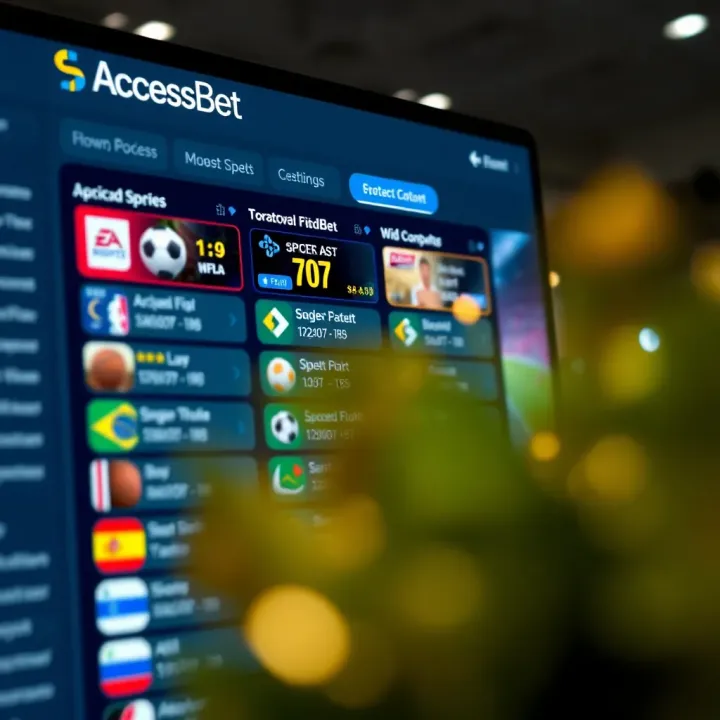
🎰 Discover how to register, fund your AccessBet account, and enjoy top betting markets in Nigeria. Get practical tips, security advice, and customer support info here! 🇳🇬

AccessBet Bingo brings exciting online play to Nigerian players 🇳🇬. Learn how to join, secure payments, enjoy benefits, and play responsibily for real winnings ₦.
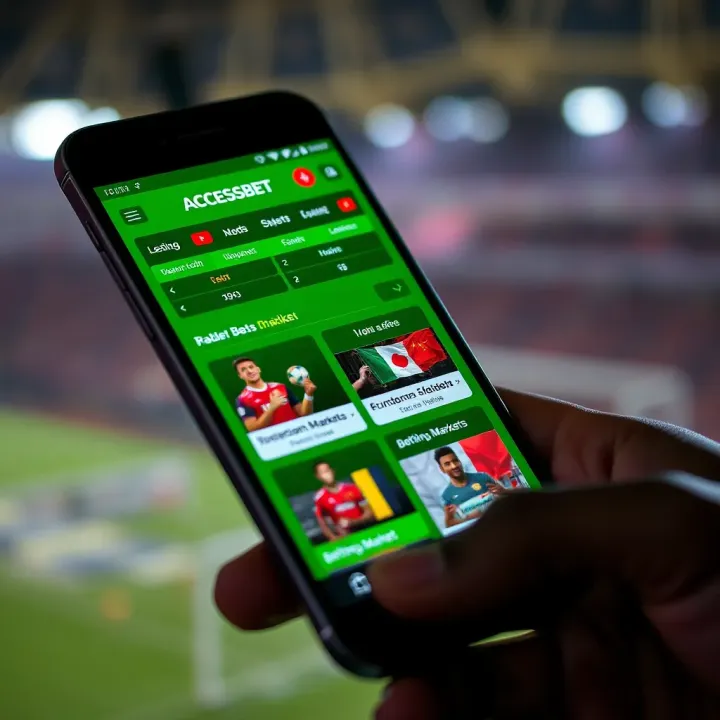
📱 Discover how to access AccessBet on mobile with easy registration, secure payments, and local betting tips. Bet smart and enjoy seamless play across Nigeria 🇳🇬.
Based on 8 reviews