

How to Download and Play Aviator Game in Nigeria
🎮 Discover how to safely download and play the Aviator game in Nigeria ✅ Learn compatible devices, installation steps, gameplay tips, and handle in-app costs wisely ₦
Edited By
Claire Umeh
Aviator sunglasses have held their ground as a popular accessory globally, and Nigeria is no exception. Known for their distinctive teardrop shape and thin metal frame, aviators were originally designed for pilots in the early 20th century to protect their eyes at high altitudes. Today, they blend classic style with practical benefits, making them a top choice for many Nigerians facing harsh sun rays.
The design of aviator sunglasses offers wide coverage, reducing glare and shielding eyes from UV rays, which is particularly helpful in Nigeria’s sunny climate. Whether you are navigating Lagos traffic inside a danfo, chilling at a beach in Lagos or Port Harcourt, or running errands around Abuja, aviators help keep your vision clear and your eyes comfortable.

In Nigeria, these sunglasses are not just functional; they’ve become a fashion staple. Celebrities and influencers frequently rock aviators at events like owambe parties or on social media, helping to raise their profile even more. Beyond fashion, many prefer aviators for their versatility—they work well with a range of outfits, whether traditional agbada or casual wear.
Choosing the right aviator sunglasses in Nigeria involves considering local weather, face shape, and lifestyle to get the best balance of protection and style.
When picking aviators, consider the lens quality—polarised lenses offer better glare reduction, while UV400 protection is vital against harmful ultraviolet light. Frames also vary; titanium or stainless steel frames are durable yet light, ideal for daily wear. Nigerian brands and retailers sometimes carry well-priced options, but it’s worth investing in trusted international names to ensure lasting value.
Maintaining your aviators requires simple care: wiping lenses with a soft cloth, storing them in a case, and avoiding exposure to extreme heat like leaving them on a car dashboard under the blazing sun, which can damage the frame or lens.
This section sets the scene for understanding why aviator sunglasses remain a preferred choice in Nigeria, combining timeless style, effective function, and cultural appeal.
Understanding the origins and evolution of aviator sunglasses offers valuable insight into why they have remained both functional and stylish through the years. This background explains the practical benefits these glasses provide, especially in environments like Nigeria where protection against sunlight is critical, while also showing how they've become a cultural icon.
Development for military pilots: Aviator sunglasses were initially created to address specific needs of military pilots in the 1930s. Pilots required eyewear that could effectively reduce glare from the sun at high altitudes, where light intensity is stronger. The teardrop lens shape of aviators allowed for maximum coverage of the eyes, protecting pilots from harmful ultraviolet (UV) rays and bright sunlight. This design helped reduce eye strain and improved visibility, which was crucial for aerial navigation and combat.
Key brands and innovators: The development of aviators is closely linked to brands like Ray-Ban, which introduced the original Aviator model in 1937. Bausch & Lomb, the maker behind Ray-Ban, designed these sunglasses for the U.S. Army Air Corps. Other notable innovators that influenced aviator design include American Optical and Randolph Engineering, which supplied durable eyewear to military personnel during World War II. The reputation of these brands rests on their commitment to quality, making authentic aviators sought after by consumers today.
Adoption in popular culture: Aviator sunglasses crossed from purely functional military gear to fashion staples largely after World War II. Veterans returning home wore their aviators as symbols of status and style, sparking interest among civilians. By the 1960s and 1970s, aviators became widely popular beyond aviation, featured in mainstream fashion and adopted by various subcultures. Their sleek look fit well with emerging trends in music and youth culture, making them a versatile accessory for many one could spot on Lagos streets or at owambe parties.
Influence of celebrities and movies: The popularity of aviators skyrocketed due to their frequent appearances in Hollywood films and endorsements by celebrities. For example, movie icons like Tom Cruise wore aviators in films like Top Gun, which made the sunglasses incredibly desirable worldwide, including Nigeria. Nigerian celebrities and musicians have similarly influenced local trends by pairing aviators with both traditional attires and western outfits. This blend keeps aviators relevant in urban daily life and at festivals, cementing their role as a fashion essential.
Aviator sunglasses started as a piece of military equipment but quickly evolved into a symbol of style and functionality. Understanding their origins helps Nigerians appreciate why these glasses are not just about looks but also practical protection.
In summary, the history of aviator sunglasses reveals how they combine strong design, effective eye protection, and cultural relevance. Today, whether you’re commuting in a danfo, riding an okada, or attending a send-forth, aviators offer a blend of style and everyday utility that few other sunglasses can match.
Aviator sunglasses stand out because of their unique design elements that blend style with function. In Nigeria’s bright and busy environment, these features not only add to your look but also offer practical benefits that make daily outdoor activities more comfortable.
Teardrop lens shape is the hallmark of aviator sunglasses. The large, curved lenses taper at the bottom, mimicking a teardrop. This shape was originally designed for pilots to cover the entire eye area, reducing glare from above and below. For Nigerians riding okadas or navigating Lagos traffic in danfos, this shape helps protect eyes from harsh sunlight and dust, providing an almost wrap-around shield effect.
The frame material defines durability and comfort. Aviators mostly come with metal frames, usually made from lightweight alloys like stainless steel or titanium. Metal frames offer a sleek look and can withstand everyday wear and tear better than plastic alternatives. However, some models use plastic or acetate frames to cut costs or add colour variety, but these may be less sturdy and prone to breakage, especially under Lagos traffic pressure or ember months hustle.
Protection against sunlight in Nigeria’s intense sun is non-negotiable. Aviator lenses offer UV protection and glare reduction, critical for safeguarding your eyesight during outdoor commutes or suya outings at noon. The lenses often feature a mirror or polarized coating that reduces reflective glare from surfaces like roads or water bodies, making it easier to see and reducing eye strain.
Lens colours also play a vital role in the sunglasses’ effectiveness and style. Common aviator lens colours include green, brown, and grey:
Green lenses enhance contrast without distorting colours, perfect for city driving or street-side business.
Brown lenses improve depth perception and reduce blue light, making them excellent for those who spend time outdoors in varying light.
Grey lenses offer true colour perception and are generally well-suited for bright, sunny days across Nigeria.
Choosing the right lens colour depends on your daily use and style preferences. For instance, someone attending an owambe party might prefer green or brown lenses for a sharper look, while a daily commuter may opt for grey for balanced vision.
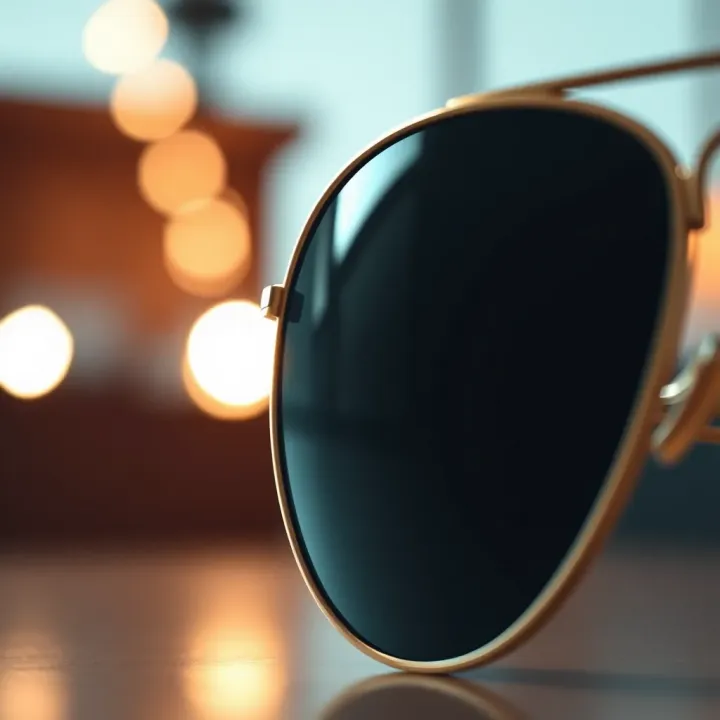
Proper selection of aviator sunglasses considering frame and lens features ensures both eye health and a polished appearance, especially under Nigeria’s sun-soaked skies.
By understanding these distinctive design features, Nigerian buyers can make informed choices that combine style with practical protection.
Aviator sunglasses offer more than just style; they provide practical benefits especially suited to Nigeria’s intense sun and dynamic outdoor life. Given Nigeria’s tropical climate, these sunglasses are a useful tool to protect your eyes and add comfort to daily activities, whether you're navigating crowded streets or enjoying time outdoors.
One of the main reasons to wear aviator sunglasses in Nigeria is their ability to block harmful ultraviolet (UV) rays. UV exposure can cause long-term damage, including cataracts and other eye conditions. High-quality aviators typically come with lenses that offer 100% UV protection, which is essential here, where the sun beats down strongly almost all year round.
If you spend time outdoors, particularly in places like Lagos or Abuja where reflected sunlight off concrete intensifies glare, aviator sunglasses reduce the risk of eye damage. Their large lenses cover more area, ensuring better protection than smaller frames.
Constant exposure to bright sunlight can cause eye strain, headaches, and discomfort. Aviators help cut down glare, making it easier to see clearly without squinting. For instance, when attending street markets or walking along busy highways during the ember months, the tint and shape of aviator lenses ease the strain on your eyes, reducing fatigue throughout the day.
Consistent use of sunglasses with proper glare reduction improves eye comfort, making outdoor activities less tiring and more enjoyable.
Whether you take danfo buses to work or ride an okada across town, aviator sunglasses offer practical benefits. Their snug fit and wide coverage shield your eyes against dust, wind, and dust particles—common nuisances in Lagos traffic or on dusty roads. This improves visibility, making commuting safer.
Moreover, because aviators typically have adjustable nose pads, you can fit them comfortably while wearing a helmet or cap, common gear for okada riders. Clear vision during peak traffic hours means quicker reaction times and safer journeys.
Aviators suit a wide range of face shapes due to their classic teardrop design and thin metal frames. For Nigerian buyers, this versatility means easier pairing with various outfits and occasions without feeling out of place.
For example, a broad-faced person might find that aviators balance their features nicely, just as a person with a slimmer face finds the frames add character. The adjustable features such as bridge size and temples also help customise the fit, making aviators comfortable for prolonged wear whether attending a wedding, heading to the office, or enjoying a weekend hangout.
In summary, aviator sunglasses offer practical advantages tailored to Nigeria’s environment. They protect your eyes from strong sunlight, reduce strain during outdoor activities, and suit daily life’s demands, including the challenges of driving and commuting. Their adaptability to different face shapes and styles rounds off their appeal as both functional and fashionable eyewear.
Selecting the right aviator sunglasses in Nigeria goes beyond style—it directly affects comfort, eye protection, and long-term value. With harsh sunlight in many regions and frequent outdoor activities like driving danfo or riding okada, a good pair must balance quality, fit, and fashion. Nigerian buyers often face challenges distinguishing genuine products from counterfeits, so understanding key factors is essential.
Recognising genuine brands is crucial for Nigerian consumers who want eyewear that lasts and provides reliable UV protection. Authentic aviators from brands like Ray-Ban, Oakley, or Maui Jim typically offer durable metal frames, superior lenses with proper UV filtration, and craftsmanship that counterfeit products rarely match. Also, genuine items often come with certificates of authenticity, serial numbers, and branded packaging. In Nigeria, authorised dealers and reputable stores such as local branches of large malls or trusted online platforms tend to stock authentic versions.
Beware of counterfeit products because many fake aviators flood Nigerian markets, especially in busy trade hubs like Lagos’ Balogun Market. These copies may look similar but fail to block UV rays effectively, risking eye health. Furthermore, counterfeit frames tend to be made of cheaper materials that break easily. Buyers should watch out for unusually low prices or sellers unwilling to provide proof of authenticity. Purchasing from established retailers or directly from brand representatives helps to avoid such pitfalls.
Frame size and fit matter a lot due to Nigeria’s diverse facial features and daily lifestyle needs. Oversized frames might look trendy but feel heavy during extended outdoor use or commuting. Conversely, too-small frames can press uncomfortably against the temples or nose. Trying on different sizes ensures the aviators sit well without slipping, especially important for hot days when sweating is common. Adjustable nose pads and flexible hinges add to personalised comfort, suiting Nigerian climates and active routines.
Matching sunglasses with outfits and occasions is an overlooked but practical aspect. Aviators are versatile, working well with casual looks like jeans and T-shirts, but they also complement traditional attires like agbada or ankara for special occasions. Nigerians attending owambe parties or festive events often choose aviators with lens colours or frame finishes that blend subtly with their clothing. In the office or formal settings, classic gold or silver metal frames with neutral lenses fit the bill, while tinted or coloured lenses suit outdoor leisure time.
Choosing aviators thoughtfully means balancing authenticity, fit, and style to get the best from your sunglasses, whether on Lagos roads or at social gatherings across Nigeria.
By focusing on these points, Nigerian buyers can invest wisely in aviator sunglasses that offer protection, comfort, and fashion that lasts beyond just the ember months.
Proper maintenance of aviator sunglasses greatly extends their life and preserves their look. In Nigeria's hot sun and often dusty environment, regular care prevents damage that can quickly turn a sharp accessory into an unusable item. Whether you use them daily for driving or occasionally for outings, keeping your aviators clean and functional means you get value for your ₦ investment without having to replace them frequently.
Cleaning lenses the right way ensures clear vision and keeps protective coatings intact. Avoid wiping lenses with clothes or tissues that can scratch the surface. Instead, use a soft microfiber cloth or lens cleaning cloth designed specifically for eyewear. For tougher smudges, dampen the cloth with clean water or a lens-safe cleaning solution. Nigerian dust and pollution, especially in cities like Lagos, settle fast on glasses, so a quick wipe every few days can prevent buildup that reduces lens clarity.
Storing aviator sunglasses carefully is key to preventing scratches and frame damage. Always keep them in a hard case when not in use. Carrying aviators loose in bags or pockets means coins, keys, or phone screens can rub against the lenses causing scratches. In the Nigerian context, where many carry multiple items daily, a dedicated sunglasses case reduces risks from everyday jostling on danfo buses or okada rides. Keeping them away from direct heat sources like car dashboards also helps maintain frame integrity.
Aviators have small screws where the arms connect to the frame, and these can loosen over time due to constant wear and vibrations from travelling on rough Nigerian roads. Loose arms make the glasses unstable and uncomfortable. A small eyeglass repair kit, costing just a few hundred naira at markets like Computer Village or Ikeja, is handy for quick tightening. This simple fix saves you from paying high fees at optical shops or risk losing your sunglasses altogether.
Sometimes, lenses get scratched beyond cleaning or the nose pads wear out from sweat and grime, which is common in Nigeria's warm climate. Replacing lenses preserves the sunglasses' UV protection and clarity — crucial for eye health during ember months when sun intensity peaks. Nose pads also affect comfort; worn pads can cause pain or slipping. Replacement parts for aviators are widely available locally. Visiting a reputable optical centre ensures authentic parts and professional fitting, enhancing durability and comfort.
Taking care of your aviator sunglasses is not just about keeping them looking sharp — it protects your eyes and saves money in the long run. Regular cleaning and prompt repairs keep your aviators ready for daily use, no matter the Nigerian weather or travel conditions.
Aviator sunglasses have grown beyond mere eye protection to become a significant cultural symbol in Nigeria. Their popularity today is intertwined with fashion, lifestyle, and urban identity. Understanding how aviators fit into Nigerian trends and culture reveals why they remain a preferred choice across various social settings.
Celebrity endorsements and fashion influence have played a key role in making aviators a must-have accessory for Nigerian youth. Local musicians like Wizkid and Burna Boy have been spotted frequently rocking aviators both on and off stage, blending them with casual or high-end designer looks. Their use of aviators not only adds an edge to their style but helps drive demand among young fans who see these glasses as a symbol of confidence and coolness.
Furthermore, Nollywood actors often pair aviators with modern or traditional outfits in movies and events, boosting their appeal. This celebrity influence makes aviators more than just functional eyewear; they are part of a lifestyle that embodies modern Nigerian swag.
Aviators at social events and festivals have become staples, especially during major cultural celebrations like Lagos City Fest, Calabar Carnival, and weddings or owambe parties. Attendees wear aviators to complement their aso ebi or fashionable outfits, adding flair while protecting their eyes under the tropical sun or bright stage lights.
Their lightweight design and practicality for long hours outdoors make aviators a sensible choice at these events. Whether for daytime festivities or evening gatherings, these sunglasses help Nigerians maintain comfort and style in one package.
Pairing with traditional attire shows the versatility of aviators within Nigeria’s rich cultural wardrobe. They offer a modern twist to agbada, buba and iro, or kaftan outfits, presenting a blend of heritage and contemporary fashion. For example, a well-chosen aviator with gold or silver metal frames enhances the regal look of traditional wear at weddings or chieftaincy ceremonies.
This combination also reflects Nigeria’s evolving fashion sense, where old meets new without losing cultural pride. It encourages younger generations to embrace traditional dress while expressing individuality through accessories.
Use in urban daily life and travel is another area where aviators shine in Nigeria. The unpredictable traffic in Lagos and Abuja, long commutes on danfos or okadas, and exposure to harsh sunlight make UV protection essential. Aviators with polarized lenses reduce glare from car windows and road surfaces, improving safety and reducing eye fatigue.
Moreover, these sunglasses suit different face shapes and personal styles, making them easy to wear throughout the day. Young professionals, market traders, and students alike rely on aviators to combine function and fashion as they navigate busy city life.
Aviator sunglasses are more than an accessory in Nigeria—they’re a cultural statement that adapts to local fashion, climate, and lifestyle demands, embodying a unique blend of tradition and modernity.
In essence, the current trends around aviator sunglasses highlight their enduring relevance. They remain an accessible luxury that fits comfortably in Nigerian wardrobes, from the streets of Lagos to the hills of Jos, merging style with everyday practicality.
🎮 Discover how to safely download and play the Aviator game in Nigeria ✅ Learn compatible devices, installation steps, gameplay tips, and handle in-app costs wisely ₦

Explore how Aviator Predictor Bot operates in Nigerian online gaming 🎮, its accuracy 🤖, risks ⚠️, ethical issues ⚖️, and legal tips for safe use 🇳🇬.

Looking for top alternatives to AccessBet? Discover betting sites with better odds, secure payments, and easy access for Nigerian punters ⚽💰. Bet smarter today!

📞 Need quick help with AccessBet in Nigeria? Get official contacts, tips to solve account issues, common FAQs, and smart ways to reach support fast and secure.
Based on 12 reviews